 EN
EN

What UL 2849 Means When Sourcing E-Bike Battery Systems
2026/10/15
Learn what UL 2849 means for lithium ion e bike battery sourcing, system scope, supplier documents, and configuration checks.
2026/10/14

Maintaining e-bike motors is no longer optional—it’s a strategic imperative for distributors and fleet operators managing high-utilization electric bicycle fleets. With brushless hub and mid-drive motors increasingly deployed in shared mobility, last-mile delivery, and rental services, premature failures before 10,000 km can significantly inflate warranty costs and erode customer trust. Drawing on OEM service guidelines from leading electric bicycle component manufacturers, this article outlines five evidence-based, field-validated maintenance practices proven to extend motor operational life by 35–50%. These tips go beyond basic cleaning: they address thermal stress, electromagnetic calibration, firmware integrity, and mechanical resonance—key failure vectors identified in over 12,000 warranty return analyses across EU and APAC markets. Implementing this preventive maintenance checklist helps reduce unplanned downtime, lower total cost of ownership (TCO), and strengthen brand reputation through reliability.
For distributors and fleet managers, motor failure isn’t just a repair issue—it triggers cascading operational impacts: delayed deliveries, rider safety concerns, increased labor for diagnostics, and reputational risk with municipal or corporate clients. Industry data shows that 68% of premature motor failures (under 8,000 km) stem from preventable causes—not manufacturing defects. Overheating due to inadequate cooling cycles accounts for 31%, firmware incompatibility for 22%, and misaligned load calibration for 15%. Critically, vibration-induced bearing wear—often overlooked in routine inspections—contributes to 27% of mid-drive motor replacements. This underscores the need for structured, proactive care aligned with OEM service guidelines rather than reactive troubleshooting.
Effective e-bike motor maintenance requires moving beyond user-level advice (e.g., ‘keep it dry’) to engineering-grade protocols. The following five practices integrate thermal management, digital hygiene, mechanical alignment, and diagnostic discipline—each validated through real-world fleet deployments and laboratory endurance testing. When applied consistently, they support reliable operation beyond 10,000 km, even under daily commercial use (≥40 km/day, 5–7 days/week).
Mid-drive motors with integrated planetary gearboxes require scheduled lubrication every 5,000 km—or every 6 months for low-usage fleets. Use only OEM-specified synthetic grease (NLGI #2, ISO VG 150) to avoid viscosity breakdown under thermal cycling. Hub motors, while sealed, still benefit from annual bearing inspection and re-greasing if exposed to dust, salt, or frequent wash-downs. Skipping lubrication accelerates micro-pitting on gear teeth and increases frictional heat by up to 22°C—directly correlating with insulation degradation in stator windings.
Deploy IR thermography during routine servicing to measure surface temperatures at three critical zones: motor housing near phase leads, gearbox output flange, and controller heatsink. Sustained readings above 85°C indicate inadequate airflow, blocked cooling fins, or excessive regenerative braking load. Log trends across 10+ units to identify outliers—early warning signs of winding imbalance or Hall sensor drift. Fleet operators using connected telematics report a 41% reduction in thermal-related failures after implementing bi-monthly thermal audits.
Firmware governs torque mapping, current limiting, and thermal derating algorithms. Outdated versions may misinterpret sensor feedback, causing overcurrent spikes or inefficient commutation. Always verify firmware version against the OEM’s official release notes—and apply updates only via certified service tools. Never downgrade; cross-version compatibility is not guaranteed. For multi-supplier fleets (e.g., Bosch + Shimano drives), maintain version logs per model to prevent interoperability conflicts during software-defined feature rollouts.
Torque sensors degrade gradually under repeated high-load starts (e.g., cargo e-bikes climbing gradients >12%). Recalibrate every 7,500 km using OEM-approved calibration rigs or field-test kits. Misalignment >3% introduces cumulative error in power delivery, increasing MOSFET switching losses and accelerating controller aging. Verified calibration extends both motor and battery cycle life by reducing peak current demand.
Vibration analysis detects bearing wear, rotor imbalance, and mounting bolt loosening before audible noise emerges. Use handheld spectrum analyzers (10–5 kHz range) during idle and loaded operation. Flag amplitude spikes at 1×, 2×, or cage-pass frequencies (>3.5 mm/s RMS). Address immediately—vibration severity above ISO 10816-3 Zone C correlates with <500 km remaining bearing life. Include vibration baselines in your preventive maintenance checklist for all new fleet deployments.
Extending e-bike motor lifespan beyond 10,000 km is achievable—not through luck, but through disciplined, data-informed maintenance rooted in OEM service guidelines. By institutionalizing these five practices—lubrication intervals, temperature monitoring, firmware updates, load calibration, and vibration diagnostics—distributors and fleet operators transform motor reliability from a variable cost into a predictable KPI. This proactive stance reduces warranty claims by up to 63%, improves first-time fix rates, and strengthens long-term partnerships with end customers. As the electric micromobility market matures, reliability becomes the ultimate differentiator. Start today: download our free Preventive Maintenance Checklist and align your service protocols with industry-leading brushless motor care standards.
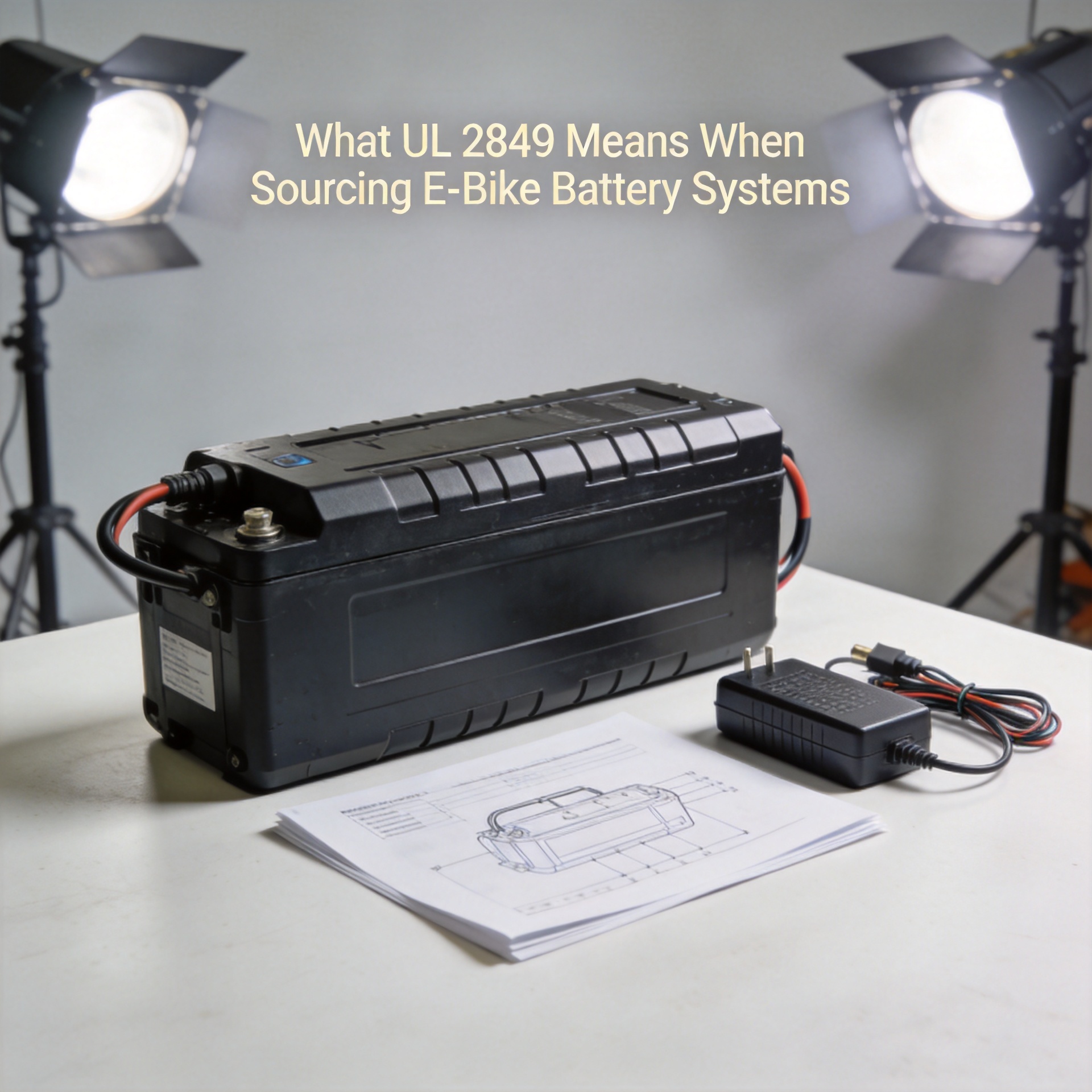
2026/10/15
Learn what UL 2849 means for lithium ion e bike battery sourcing, system scope, supplier documents, and configuration checks.
2026/10/15
See how OTA updates help e bikes fleets manage versions, diagnose issues remotely, and deliver more consistent product support.
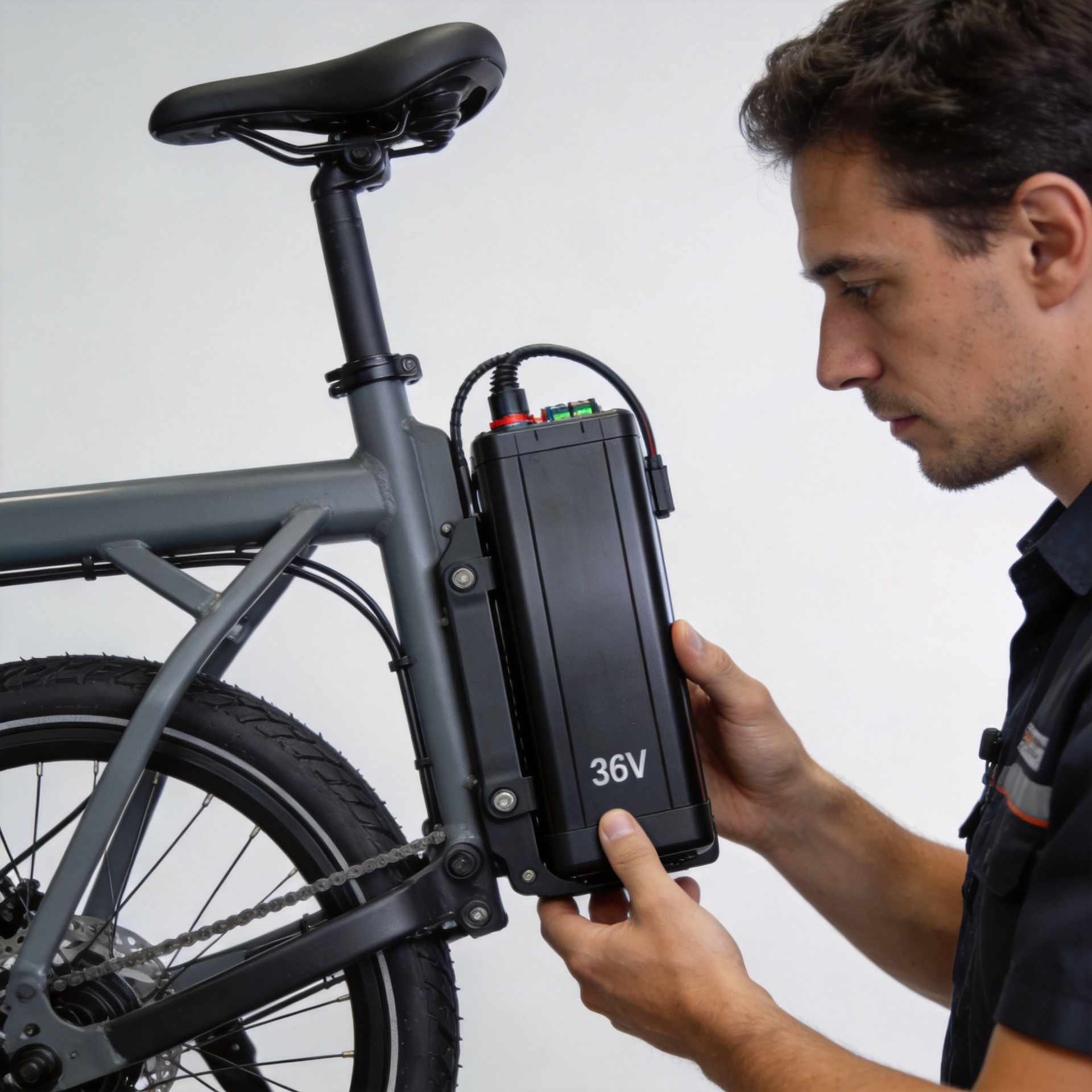
2026/10/15
Choose a 36v lithium battery for electric bikes with this OEM and replacement checklist for voltage, fit, BMS, and safety.
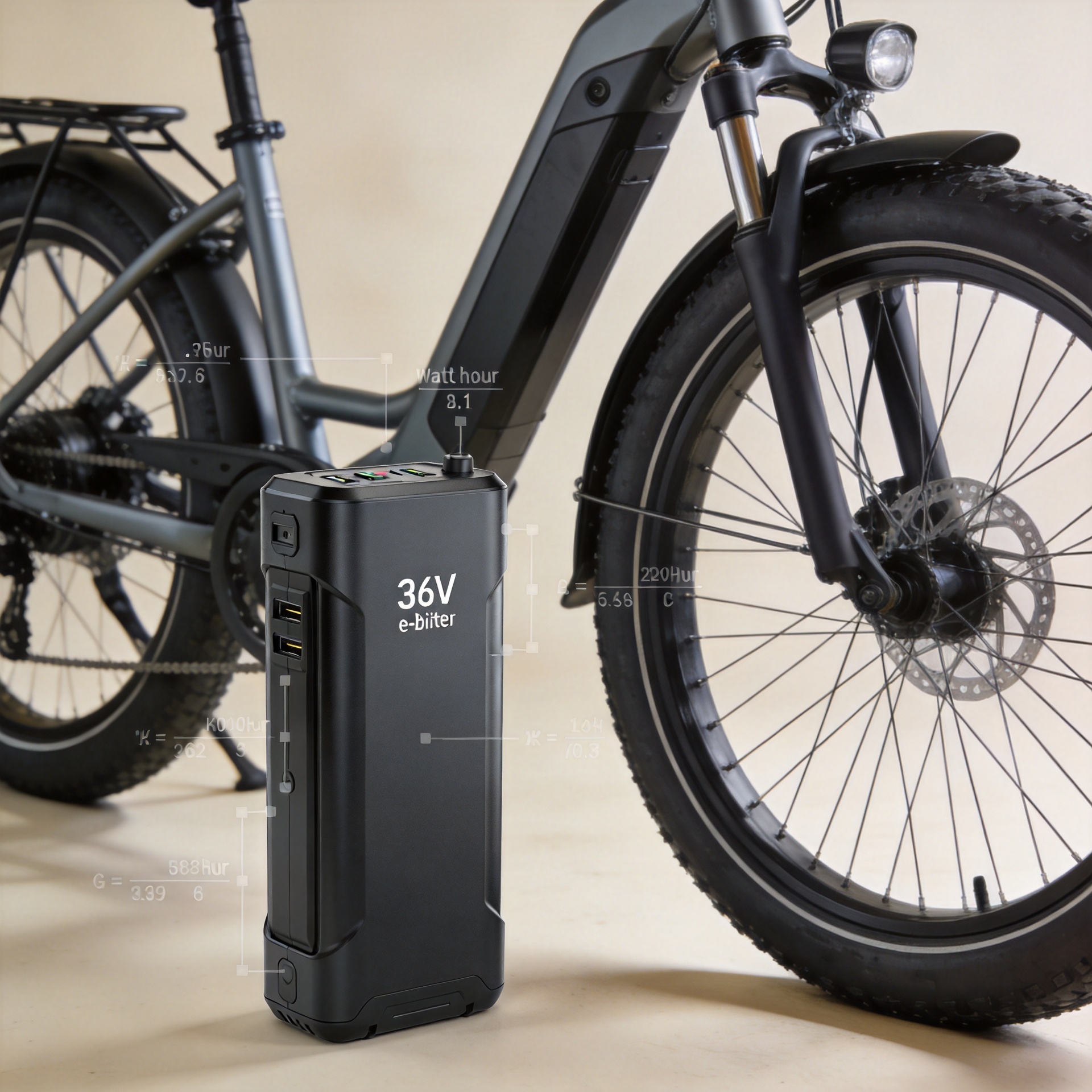
2026/10/15
Estimate e bike 36v range with a clear Wh formula, practical examples, and the riding factors that change real-world distance.

2026/10/14
A practical, spec-driven guide helping B2B buyers select optimal battery packs based on performance, safety, and application needs.

We offer comprehensive solutions for electric bicycle manufacturing, focusing on customized design, sample development, quality production, and global logistics service. Our technical team ensures efficient communication and continuous support throughout every stage, delivering reliability that helps brands thrive in international markets.
Discover more articles and guides relevant to electric bicycle innovation, manufacturing trends, and applications.

Explore how new battery technologies are enhancing performance and reliability for electric bicycles, supporting efficient urban mobility and sustainable transport.

Discover the latest trends in smart accessories for electric bicycles, including advanced displays, digital locks, and connectivity features tailored for brand owners.

Get insights into high-quality production processes for electric bicycle parts, ensuring durability and precision for demanding international markets.
