 EN
EN

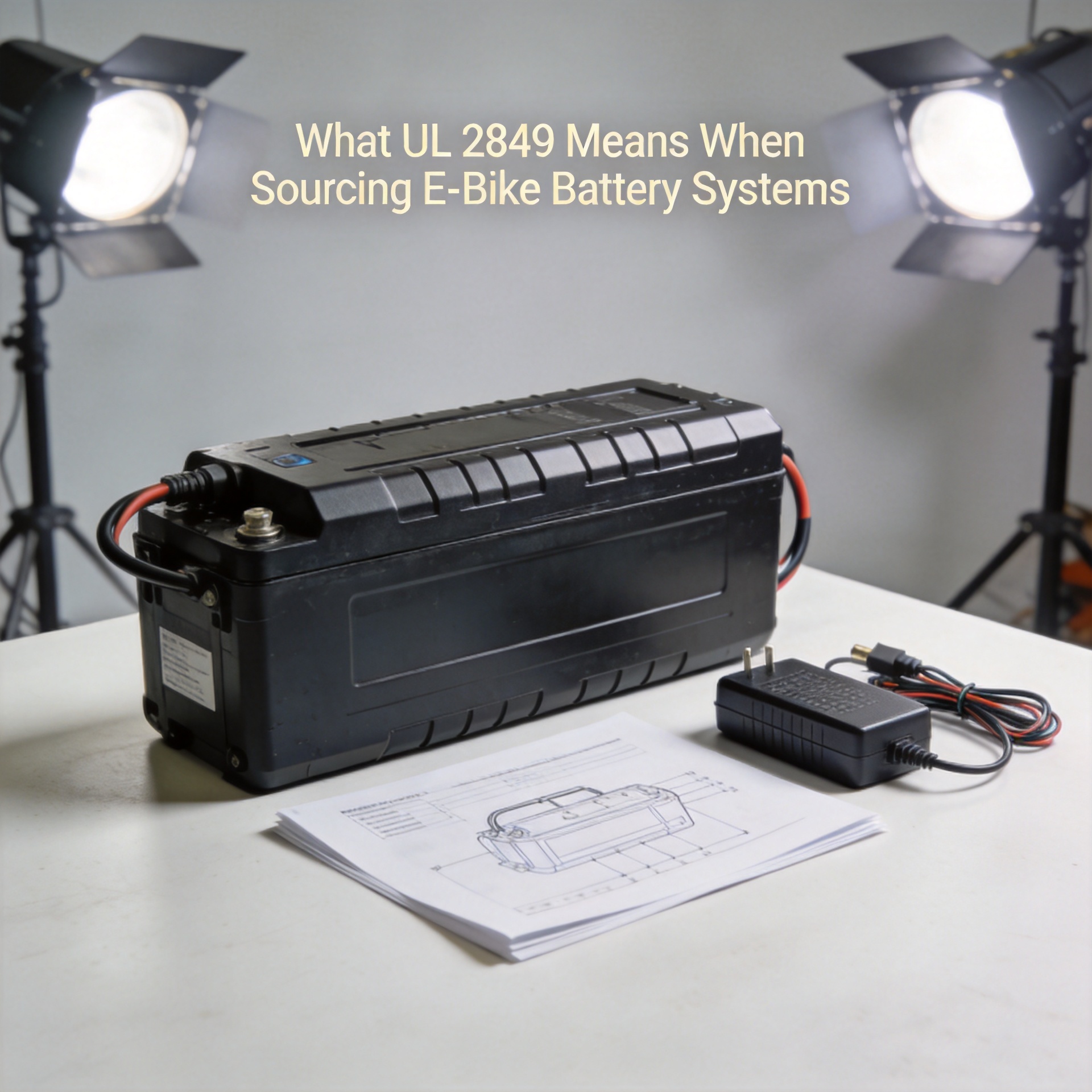
What UL 2849 Means When Sourcing E-Bike Battery Systems
2026/10/15
Learn what UL 2849 means for lithium ion e bike battery sourcing, system scope, supplier documents, and configuration checks.
2026/10/14

In the rapidly evolving electric bicycle market, reliability under real-world conditions is no longer a luxury—it’s a necessity. Among the most vulnerable yet mission-critical components of any e-bike system is the controller: the 'brain' that manages power delivery, pedal assist logic, braking signals, and communication with the display and motor. Exposure to dust, rain, road spray, and even accidental submersion during cleaning or flooding can severely compromise controller performance—or cause total failure. That’s where the IP67 rating becomes a decisive differentiator. This article explains what IP67 truly means, how it protects e-bike controllers from environmental stressors, and why specifying IP67-rated controllers is essential for OEMs, fleet operators, and high-end consumer brands seeking long-term durability, reduced warranty claims, and enhanced rider confidence.
The Ingress Protection (IP) rating is an international standard (IEC 60529) that classifies the degree of protection provided by an enclosure against solid objects and liquids. The code consists of two digits: the first indicates protection against solids (e.g., dust), and the second against liquids (e.g., water). For e-bike controllers, the IP67 designation breaks down as follows:
Unlike lower ratings like IP54 (splash-resistant only) or IP65 (jet-water resistant), IP67 offers a significantly higher safety margin—critical for controllers mounted near the bottom bracket, rear dropout, or integrated into downtubes where splash and condensation risks are elevated.
E-bike controllers operate at high switching frequencies and manage currents exceeding 30A in mid-drive systems. Even microscopic dust particles or moisture-induced corrosion on PCB traces, MOSFETs, or connectors can lead to intermittent faults, thermal runaway, or catastrophic short circuits. Field data from leading European e-bike service networks shows that over 38% of controller-related warranty returns cite environmental contamination—not manufacturing defects—as the root cause. These failures often manifest as sudden loss of pedal assist, erratic throttle response, or complete shutdown after wet-weather rides. Without robust ebike controller protection, brands face not only repair costs but also reputational damage and diminished customer lifetime value.
Achieving genuine IP67 isn’t just about adding a rubber gasket. It requires holistic design integration: conformal coating on circuit boards (e.g., acrylic or silicone-based), precision-molded silicone seals with compression-controlled tolerances, potting compounds for sensitive modules, and validated assembly protocols—including torque-controlled screwing and automated leak testing. Our R&D team subjects every IP67-rated controller to accelerated aging cycles: 500 hours of 85°C/85% RH humidity, 1,000+ thermal shock cycles (-40°C to +85°C), and post-immersion functional validation at full load. This ensures waterproof e-bike components maintain integrity across diverse climates—from Nordic winters to Southeast Asian monsoons.
Independent lab testing comparing IP67 vs. IP54 controllers under simulated urban riding conditions revealed compelling results: after 12 months of equivalent field exposure (including weekly wash-downs and monthly 15-minute freshwater immersion), IP67 units retained 99.2% of original signal integrity and thermal efficiency, while IP54 counterparts showed a 22% average degradation in MOSFET gate drive stability and a 4× higher incidence of connector oxidation. Such resilience directly translates into extended service life—electric bike durability gains of 3–5 years in commercial rental fleets—and lower total cost of ownership. Moreover, IP67 compliance supports broader sustainability goals by reducing electronic waste and enabling modular, repairable designs.
The IP67 rating is far more than a technical footnote—it’s a foundational requirement for next-generation e-bike electronics. As global demand surges for all-weather, low-maintenance, and service-light e-bikes, specifying IP67 e-bike controllers is no longer optional; it’s a strategic imperative for manufacturers committed to quality, safety, and longevity. Whether you’re designing premium commuter models, cargo bikes for last-mile logistics, or rugged off-road platforms, investing in certified IP67 protection delivers measurable ROI in reliability, brand trust, and regulatory readiness (e.g., EN 15194:2017+A1:2022 Annex C requirements for environmental resistance). Explore our full range of IP67-certified controllers—engineered for endurance, tested for reality.
2026/10/15
Learn what UL 2849 means for lithium ion e bike battery sourcing, system scope, supplier documents, and configuration checks.
2026/10/15
See how OTA updates help e bikes fleets manage versions, diagnose issues remotely, and deliver more consistent product support.
2026/10/15
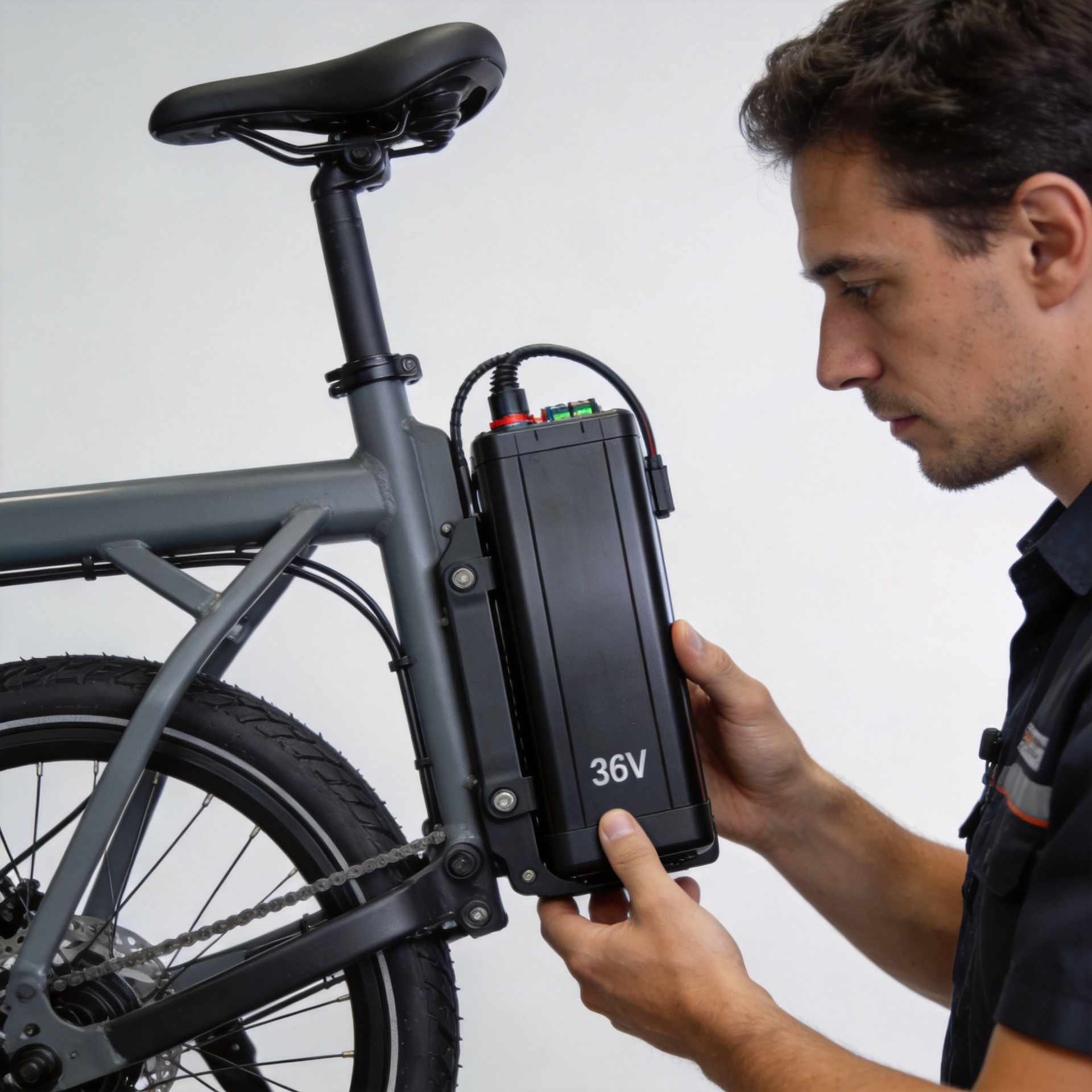
Choose a 36v lithium battery for electric bikes with this OEM and replacement checklist for voltage, fit, BMS, and safety.
2026/10/15
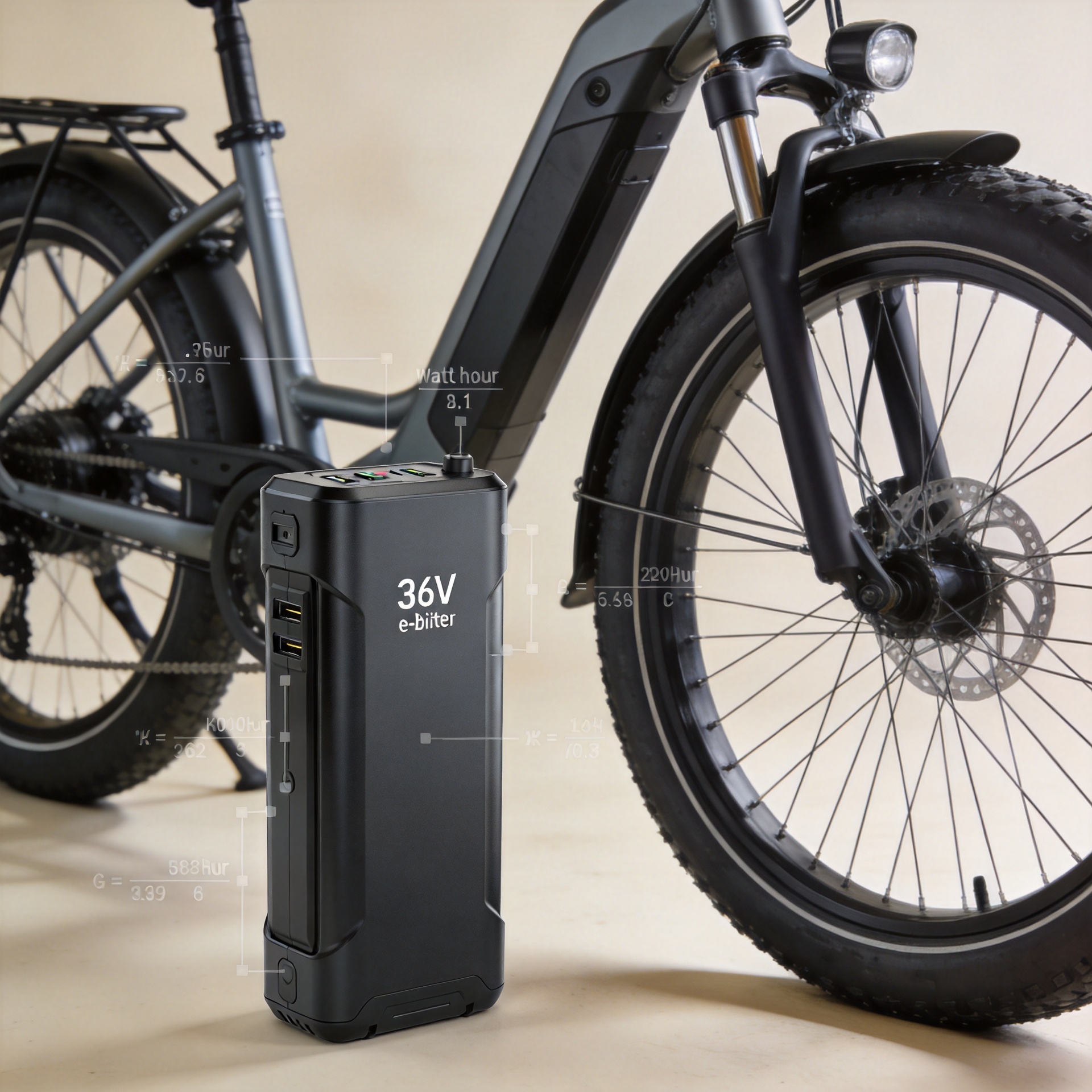
Estimate e bike 36v range with a clear Wh formula, practical examples, and the riding factors that change real-world distance.

2026/10/14
A practical, spec-driven guide helping B2B buyers select optimal battery packs based on performance, safety, and application needs.

2026/10/14
Actionable maintenance practices for distributors and fleet operators to maximize motor reliability and reduce warranty claims.

We offer comprehensive solutions for electric bicycle manufacturing, focusing on customized design, sample development, quality production, and global logistics service. Our technical team ensures efficient communication and continuous support throughout every stage, delivering reliability that helps brands thrive in international markets.
Discover more articles and guides relevant to electric bicycle innovation, manufacturing trends, and applications.

Explore how new battery technologies are enhancing performance and reliability for electric bicycles, supporting efficient urban mobility and sustainable transport.

Discover the latest trends in smart accessories for electric bicycles, including advanced displays, digital locks, and connectivity features tailored for brand owners.

Get insights into high-quality production processes for electric bicycle parts, ensuring durability and precision for demanding international markets.
