 EN
EN

LED Reading Lamp
Ideal for comfortable reading, energy-efficient LED design suitable for offices and homes.
2026/10/13
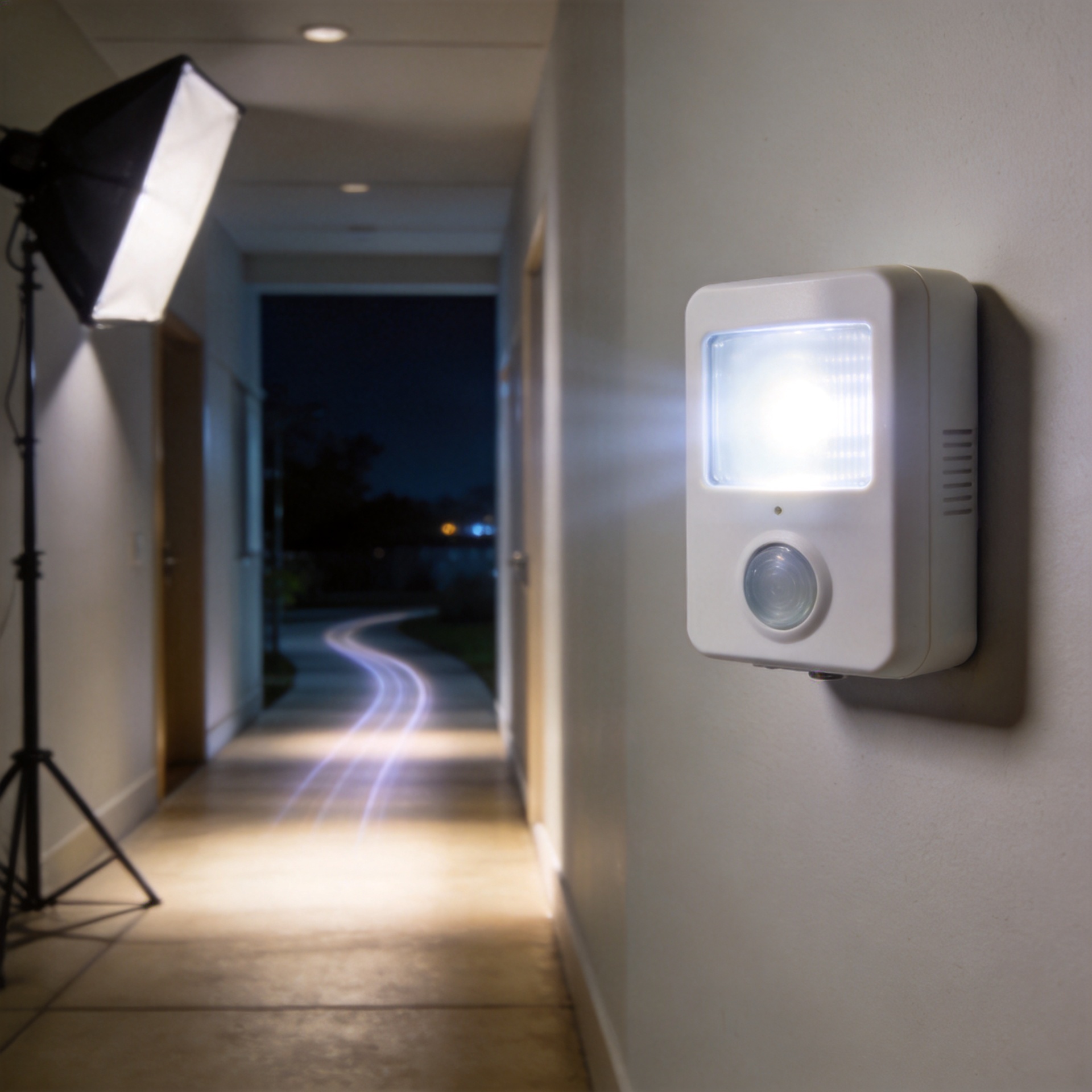
Motion sensor nightlights make a dark hallway, bedroom, or bathroom easier to navigate without leaving a bright lamp on all night. Their behavior can look almost magical: you move, a small LED glows, and it switches itself off after the room is quiet again. The useful explanation is less mysterious. Most designs combine a detector, a control circuit, a light source, and sometimes a night day sensor that decides whether the room is dark enough for the light to operate.
As a practical category guide, it helps to separate the job into three questions: what notices movement, what decides whether lighting is needed, and what tells the light when to stop. That approach is more useful than judging a night light only by its shape or color.
Although designs vary, many motion sensor nightlights follow the same short sequence:
The exact range, delay time, brightness, and detection angle are product-specific. A sensible comparison starts with the intended location rather than assuming every motion sensor nightlight behaves the same way.
PIR stands for passive infrared. “Passive” matters because the sensor is not sending out a beam and waiting for it to return. Instead, it responds to changes in infrared energy in the field of view. A person moving through the area can create a changing heat pattern relative to the background, and the circuit treats that change as motion.
This also explains a few everyday observations. Motion sensor nightlights tend to respond more reliably when someone moves across the sensing area rather than directly toward it. A large temperature change, a warm pet, or airflow near a heat source may affect some installations. The sensor is designed to notice change, not to identify a person.
For an indoor path, placement can matter as much as sensor technology. A unit placed where a person naturally crosses its view may activate more consistently than one aimed at a doorway from an awkward angle. Before choosing a model, consider the route, mounting height, nearby furniture, and whether the sensor has an unobstructed view.

A night day sensor is usually an ambient-light sensor, often based on a photocell. Its role is different from the PIR sensor’s role. The PIR sensor can signal that something moved; the ambient-light sensor helps the controller decide whether the room is dark enough to justify lighting.
When the surrounding light is above the unit’s threshold, a motion event may be ignored. When the room becomes darker, the same movement can activate the LED. This pairing helps a night light avoid unnecessary daytime operation. It is also why a device may appear to work only at night even when you can see its motion sensor during the day.
Not every motion sensor nightlight uses the same rules. Some offer modes such as continuously on, motion activated, or off; some add a separate dusk-to-dawn mode. Read the actual mode labels and instructions before treating a night day sensor as a guarantee of a particular timing or brightness behavior.
The short afterglow is controlled by a timer. If the light shut off the instant a person paused, it would be inconvenient in a corridor or beside a bed. A delay gives someone time to walk through the area, find a switch, or return to bed. Once the sensor no longer detects qualifying movement for the configured period, the controller turns the LED off.
That timer is one reason motion sensor nightlights can support low-waste nighttime lighting habits. The LED runs when a movement event and, where fitted, darkness conditions meet the device’s rules. It does not require a room lamp to remain on continuously just for short trips after dark.
Start with the use case. A bedroom needs a gentle path light; a stair landing needs the sensor to see someone before the first step; a bathroom route may need a unit that activates before a person reaches the doorway. The category includes different designs, so confirm the product instructions rather than inferring features from a photo.
From a category-planning perspective, night lights, reading lights, desk lamps, and book lights solve different lighting tasks. A motion sensor nightlight is primarily about short, automatic guidance after dark; it is not a substitute for task lighting where detailed reading or work is required.
That may be normal if the unit uses a night day sensor. Test it in a darker environment or follow the product’s testing guidance. Covering the sensor without checking the instructions can produce misleading results.
Look for moving curtains, pets, warm air from a vent, or traffic near the edge of the detection area. Repositioning the light can be a more practical first step than assuming the unit is defective.
Check for physical obstructions and consider the direction of travel. A sensor may respond differently to cross-path movement and direct approach. Test the placement along the actual nighttime route.
Some motion sensor nightlights intentionally use a longer delay, while others may reset the timer when movement continues. Check the selected operating mode and allow the programmed delay to finish before testing again.
Once you understand the detect–decide–light sequence, comparing motion sensor nightlights becomes straightforward. Identify the route, assess the available ambient light, choose a position with a clear sensor view, and verify the real product’s modes and instructions. If you are reviewing a product category for nighttime indoor use, you can also explore the available wireless motion sensor night light page for a site-listed option.
The central idea is simple: a PIR-style sensor notices a change, a controller applies the device rules, a night day sensor may limit operation to darkness, and the LED turns off after the timer expires. With appropriate placement, this compact system can provide useful guidance without making the whole room bright.

2026/10/13
Use a wardrobe organiser and foldable storage boxes to sort clothes by category, season, and access for an easier-to-maintain closet.
2026/10/13
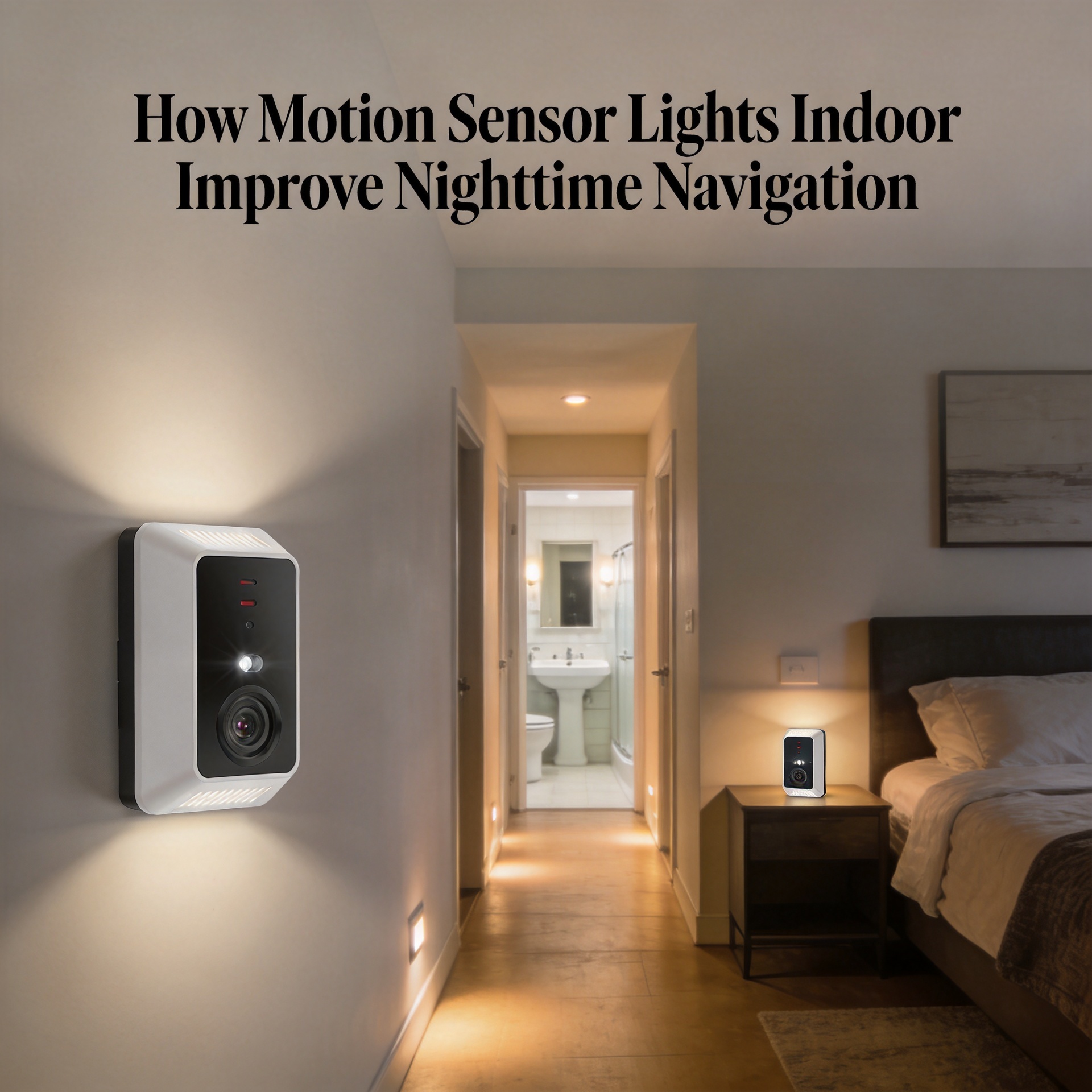
Learn how a motion sensor light indoor can support clearer nighttime routes in hallways, stairs, and bathrooms.
2026/10/13
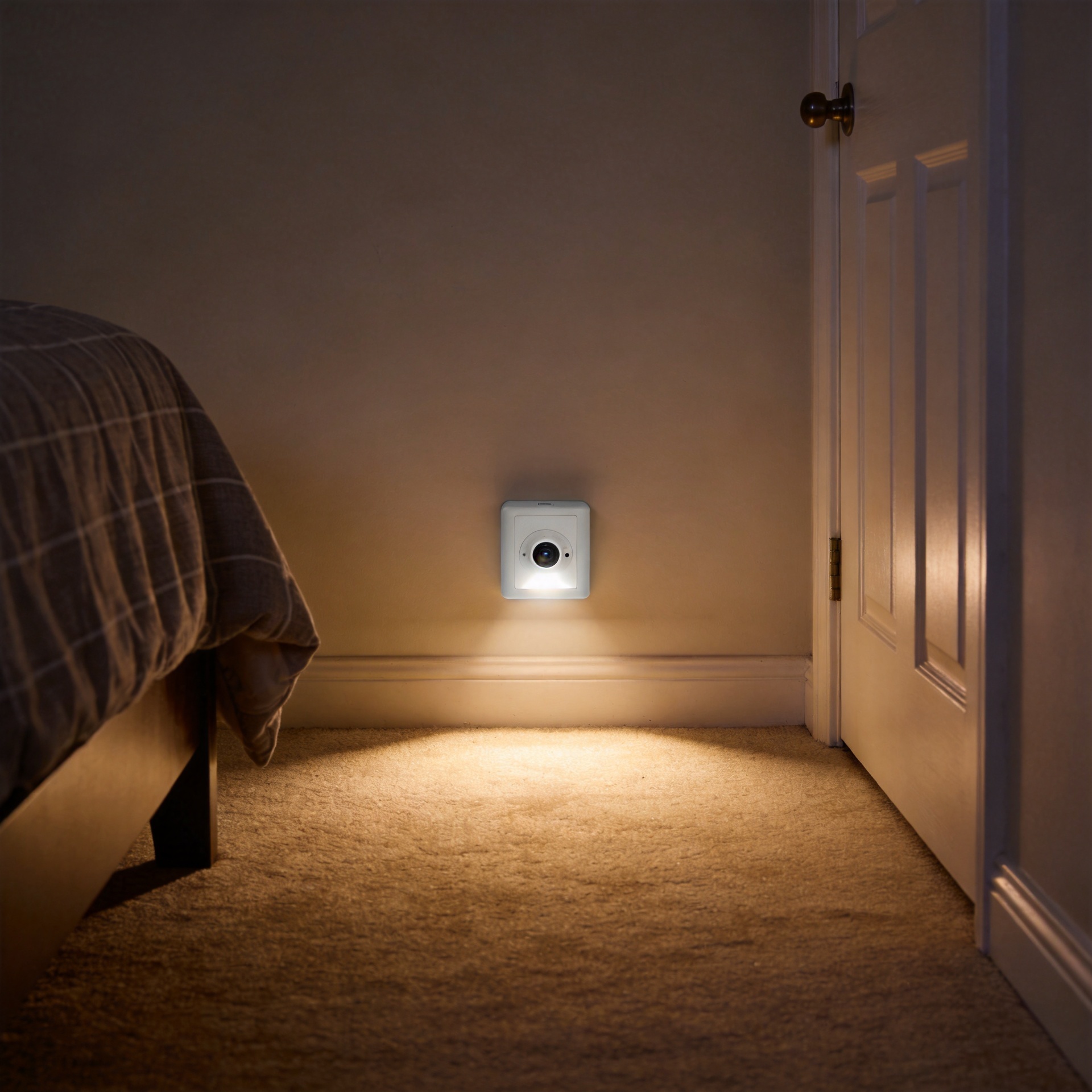
Find the best places for a motion sensor light indoor, from bedrooms and hallways to bathroom entrances, with glare and sensor tips.

2026/10/13
Discover how cloth storage bins simplify seasonal clothing organization, save space, and make wardrobe rotations easier.

2026/10/12
Covers human-centric lighting, IoT integration, retrofit economics, and sustainability mandates driving adoption.

Ideal for comfortable reading, energy-efficient LED design suitable for offices and homes.

Smart adjustable lighting for study spaces, long-lasting LED with optimal brightness control.

Provides gentle illumination at night, portable LED design suitable for bedrooms and corridors.

High-performance LED bulbs for every application, reliable, efficient, and eco-friendly lighting.

Connect with our reseller network for bulk LED products and customized procurement solutions.

Expert advice, installation guidance, and after-sales service for all LED lighting projects.
