 EN
EN

LED Reading Lamp
Ideal for comfortable reading, energy-efficient LED design suitable for offices and homes.
2026/10/13
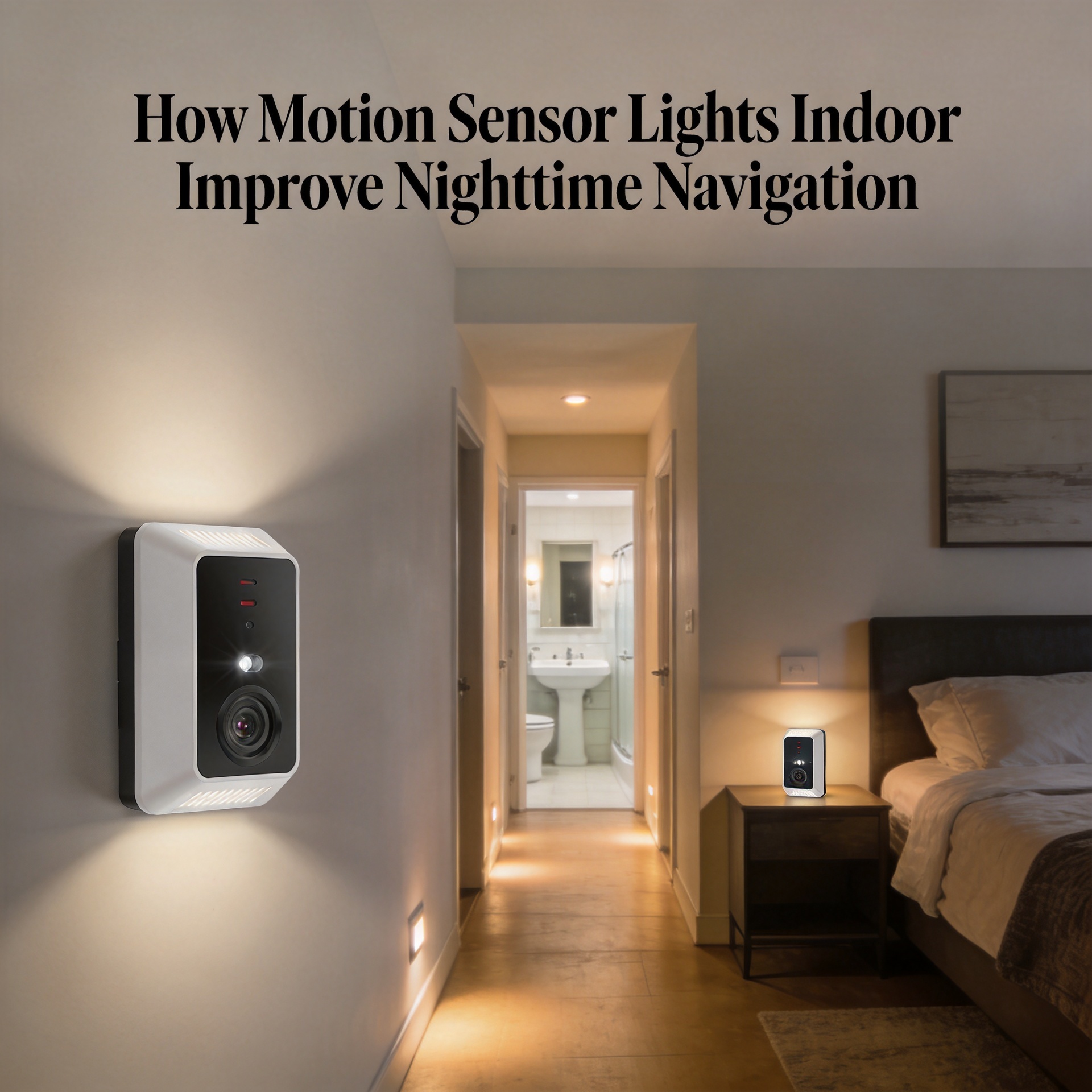
A motion sensor light indoor can make the first few steps after bedtime easier to read without asking someone to find a wall switch in the dark. The useful question is not simply whether a light turns on automatically. It is whether the light supports the actual route a person takes: from bed to a hallway, across a landing, down a stair, or into a bathroom. When that route is planned as a connected sequence, a motion sensor light indoor becomes a practical navigation aid rather than a bright spot on the wall.
From a day-to-day user viewpoint, placement, purpose, and operating convenience matter more than a product name alone. Motion-sensing lights may help reduce the chance of a nighttime trip, and a well-positioned light can make slopes and steps easier to notice. That does not guarantee safety in every home, but it explains why route planning should come before feature shopping.
Picture an ordinary late-night trip. Where do you first get up, and where do the doorway, threshold, turn, or stair change the route? A motion sensor light indoor can be most useful when it reveals those transitions early enough for the user to adjust their pace. In many homes, that means looking at the bedside exit, the hallway turn, the top and bottom of stairs, and the approach to the bathroom as one route instead of isolated locations.
One common mistake is judging a motion sensor light indoor only by how it looks in a daytime room. At night, the relevant questions are different: Can the sensor notice someone before a dark section begins? Does the light help define a step edge or doorway? Will the illumination feel directional rather than distracting? If the route has a long staircase or a turn, considering coverage near both ends can be more useful than relying on a single point of light.
A hallway often connects several nighttime destinations, so a motion sensor light indoor there can reduce the need to turn on a main overhead light. Begin with the point where a person leaves the bedroom. The sensor should have a reasonably clear view of the approach, while the light should show the next section of the path rather than shine directly into a sleeper’s eyes. For short hallways, one carefully located unit may be enough; longer or angled paths may need route coverage to be considered in stages.
Stairs deserve their own review because a change in level creates a different navigation task. A motion sensor light indoor near a landing or stair entrance can help make the first step and the direction of travel more apparent. Avoid assuming that brighter is automatically better. Excessive contrast or direct glare can make it harder for eyes to adapt. The goal is to show the path and its edges clearly, not to flood the entire stairwell with light.
The route to a bathroom may include a doorway, a narrow passage, or a change from carpet to tile. Here, a motion sensor light indoor can support hands-free visibility while someone is still moving. Positioning should take into account doors that may block detection, mirrors that may alter visual comfort, and any location where moisture-related product requirements need to be checked against the actual product documentation. Do not assume every indoor light is suitable for every bathroom location.
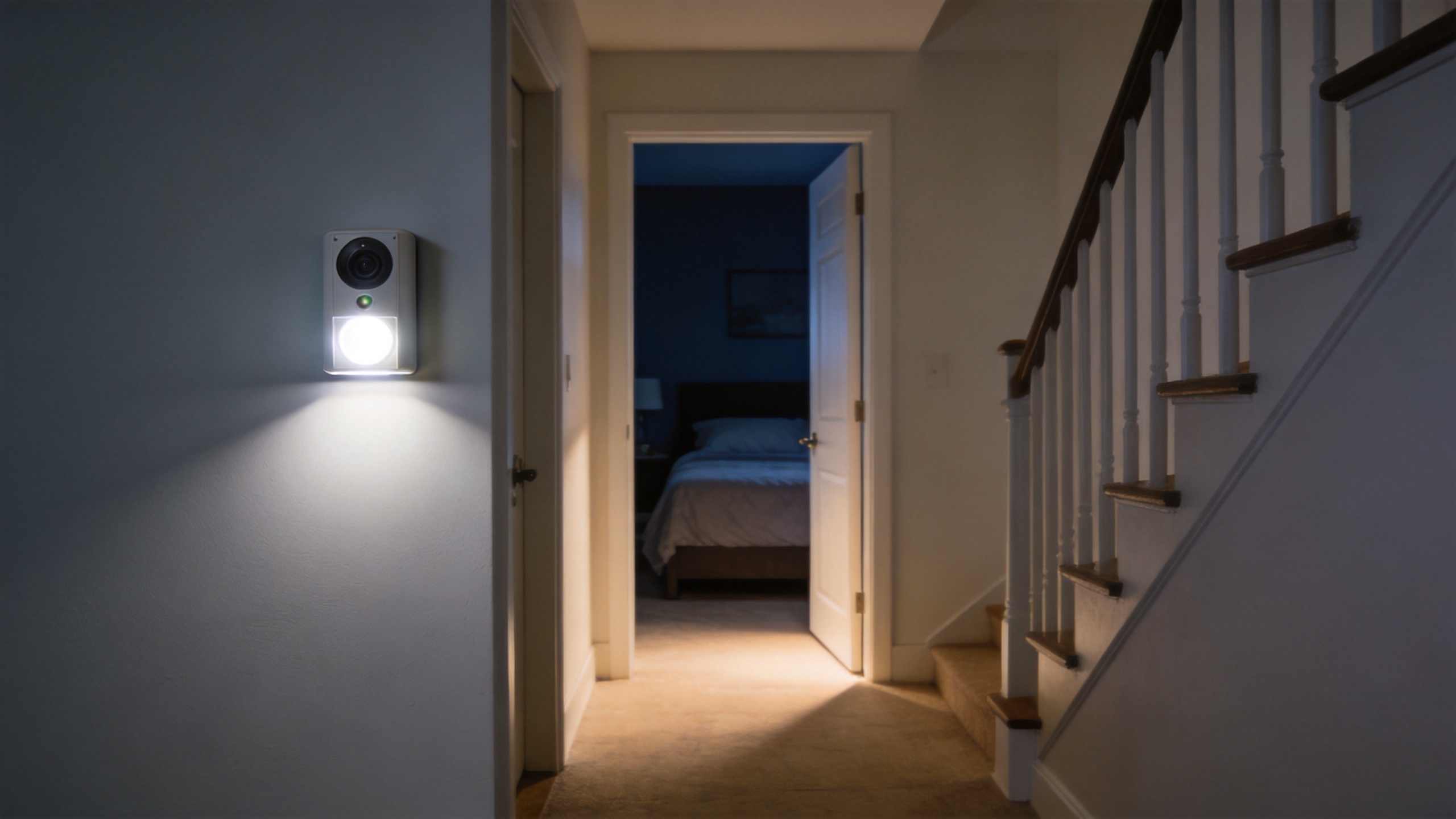
Movement sensor lights indoor are most helpful when the sensor sees ordinary approach movement rather than only a person already standing in the dark zone. Walk the route at night or simulate it from the starting position. Notice where furniture, open doors, or a corner could create a blind spot. Then identify the first place where light would improve orientation. A quick walk-through can reveal a gap that a floor plan does not make obvious.
This is also why a motion sensor light indoor should be evaluated as part of a route. A light that works well beside a closet may not provide the same benefit at the start of a hallway or beside a stairwell.
If you are comparing compact nighttime lighting options, the site’s Wireless Motion Sensor Night Light for Bedside and Bedroom Use provides a relevant product category to review. Before selecting any motion sensor light indoor, verify the current product details for intended installation method, operating conditions, sensor behavior, power arrangement, and maintenance instructions. Those facts should come from the product documentation, not from assumptions based on a title or an image.
For a simple bedroom-to-hallway route, a wireless format may be convenient to consider where suitable. For other locations, the right choice depends on the physical surface, access for upkeep, and how the unit fits the route. The key is to connect product fit to an identified navigation problem.
Once a motion sensor light indoor is in place, test it from the direction people actually walk. A sensor that responds during installation may behave differently when a door is closed, furniture is moved, or the approach angle changes. Periodically check that the sensing area is unobstructed, the lens is clean, and the light still activates in the intended zone. Follow the manufacturer’s instructions for cleaning and power-related maintenance.
Revisit placement when the room changes. A new bench in a hallway, a different bedside table, or a door that is normally left open can change both the sensor’s view and the path a person follows. A motion sensor light indoor is not a set-and-forget solution; it is part of an evolving household route.
A useful way to use a motion sensor light indoor begins with a simple question: what should a person be able to see on the next few steps? For a hallway, that may be the turn ahead. For stairs, it may be the first edge and landing. For a bathroom trip, it may be the doorway and floor transition. Movement sensor lights indoor can support a calmer nighttime experience when they are placed to answer those practical needs.
Start by mapping the route, then review sensor coverage, glare, obstructions, and ongoing maintenance. That process keeps the decision grounded in real use conditions and helps turn automatic light into more useful nighttime orientation.
Usually, it is better viewed as route or task support rather than a replacement for the lighting needed for every activity. Match the light to the visibility task you want it to support.
Review the sensor’s view of pets, adjacent traffic, door movement, and nearby activity. Product-specific settings and capabilities should be confirmed in the current documentation.
Start at the bedside exit or the beginning of the route. Then identify the first dark transition, turn, threshold, or step that needs clearer orientation.

2026/10/13
Use a wardrobe organiser and foldable storage boxes to sort clothes by category, season, and access for an easier-to-maintain closet.
2026/10/13
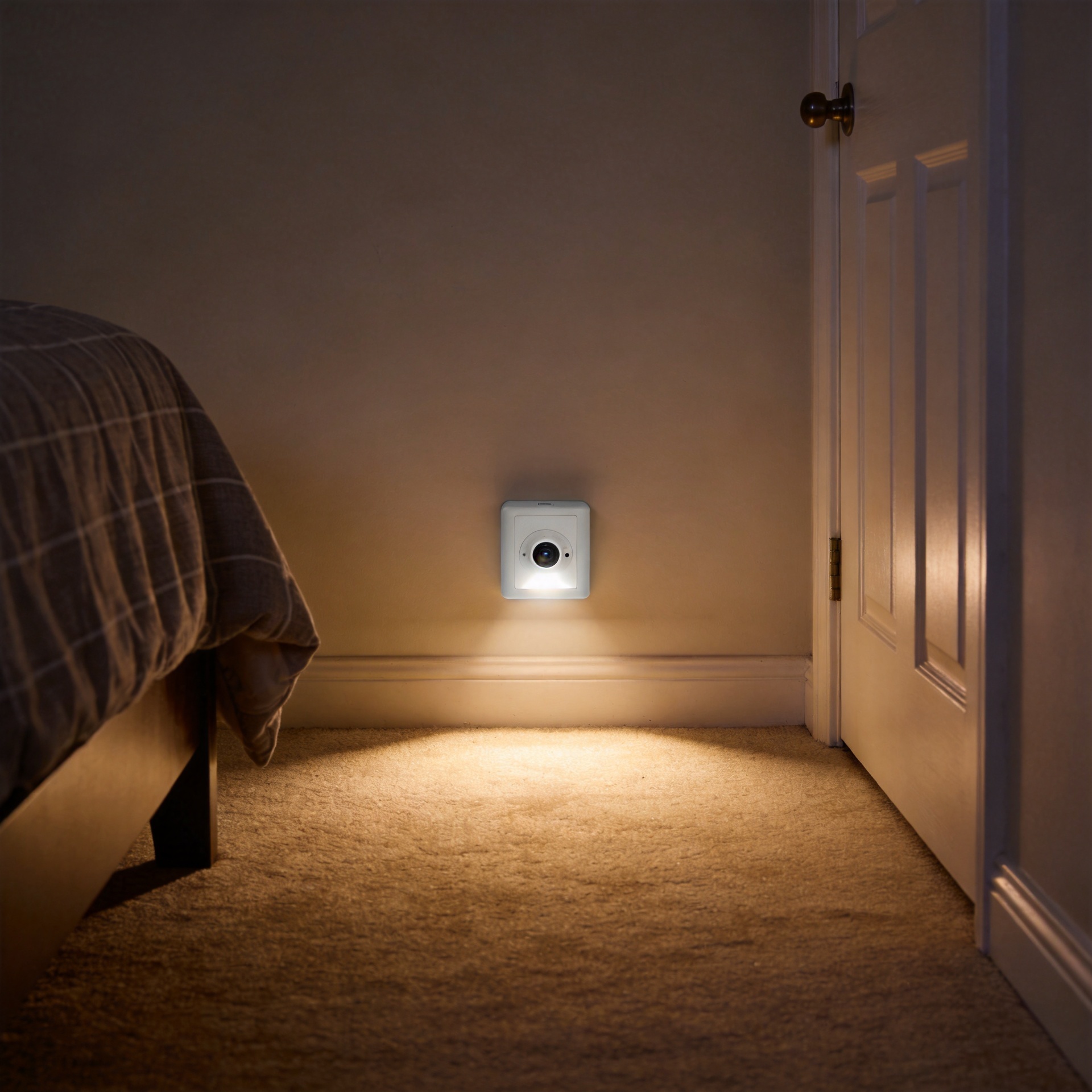
Find the best places for a motion sensor light indoor, from bedrooms and hallways to bathroom entrances, with glare and sensor tips.

2026/10/13
Discover how cloth storage bins simplify seasonal clothing organization, save space, and make wardrobe rotations easier.
2026/10/13
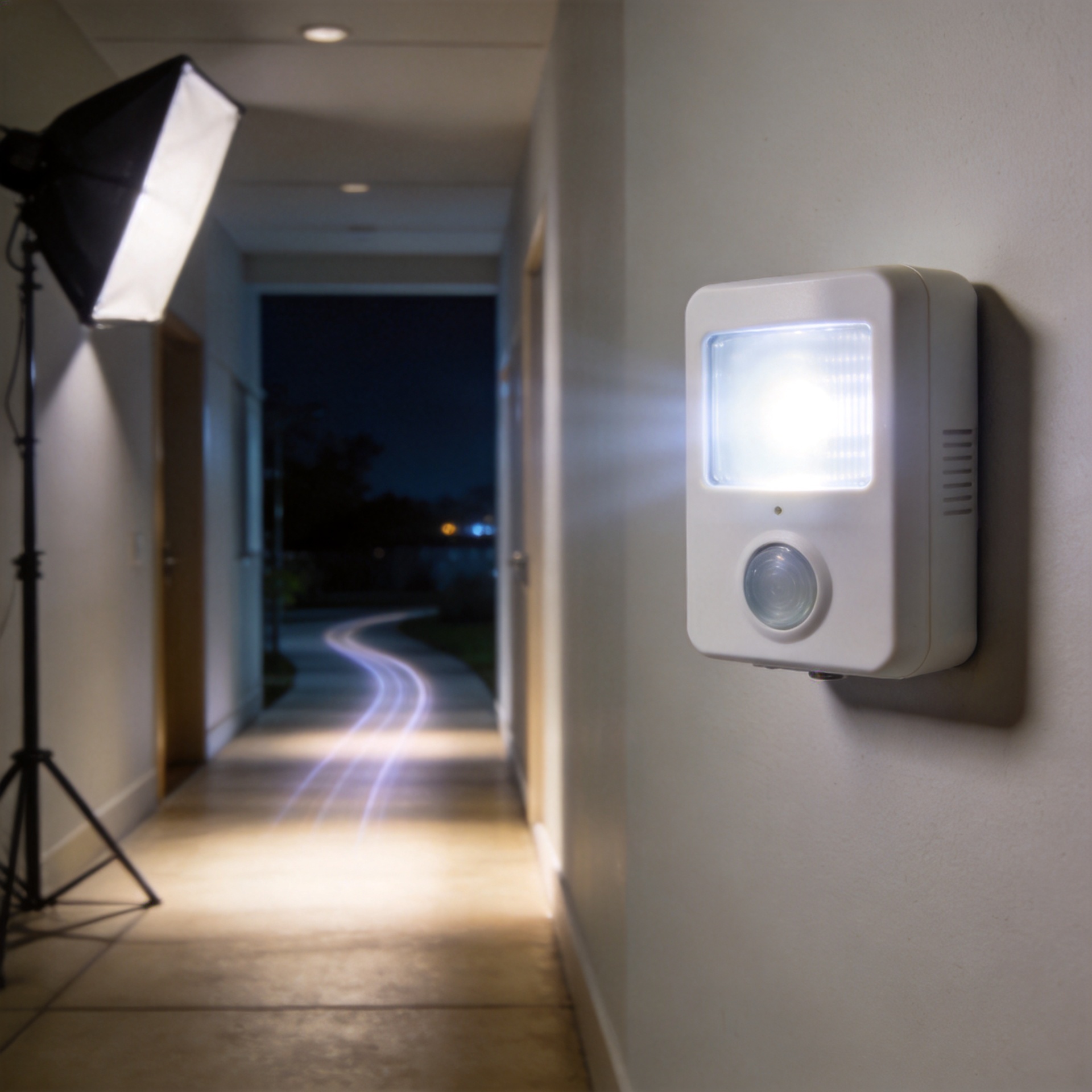
Learn how motion sensor nightlights use PIR detection, a night day sensor, and a timer for automatic nighttime guidance.

2026/10/12
Covers human-centric lighting, IoT integration, retrofit economics, and sustainability mandates driving adoption.

Ideal for comfortable reading, energy-efficient LED design suitable for offices and homes.

Smart adjustable lighting for study spaces, long-lasting LED with optimal brightness control.

Provides gentle illumination at night, portable LED design suitable for bedrooms and corridors.

High-performance LED bulbs for every application, reliable, efficient, and eco-friendly lighting.

Connect with our reseller network for bulk LED products and customized procurement solutions.

Expert advice, installation guidance, and after-sales service for all LED lighting projects.
