 EN
EN
LED Reading Lamp
Ideal for comfortable reading, energy-efficient LED design suitable for offices and homes.
2026/10/12

The commercial real estate (CRE) sector is undergoing a profound lighting transformation — driven not by aesthetics alone, but by operational efficiency, occupant well-being, regulatory compliance, and data-driven building management. As energy codes tighten, ESG reporting becomes mandatory, and tenant expectations evolve, LED lighting has shifted from a simple retrofit upgrade to a strategic infrastructure layer. This article explores the seven most impactful LED lighting trends reshaping office buildings, retail centers, logistics hubs, and mixed-use developments in 2024. We analyze each trend through three critical lenses: current market penetration (measured by adoption rate among Class A properties), typical ROI realization timeline (from installation to measurable savings or productivity gains), and regulatory influence (including local energy codes, LEED v4.1 requirements, and EU Ecodesign mandates). Understanding this triad helps CRE owners, facility managers, and lighting specifiers prioritize investments with both immediate impact and long-term resilience.
Once confined to high-end wellness-certified offices, Human-Centric Lighting — which dynamically adjusts spectral output and intensity to support circadian rhythms — is now entering mid-tier commercial portfolios. Driven by post-pandemic focus on occupant health and rising demand for WELL Building Standard certification, HCL systems integrate tunable-white LEDs with occupancy- and daylight-sensing controls. Unlike static white-light solutions, HCL delivers cooler, bluer light during morning hours to enhance alertness and warmer, amber-rich spectra in the afternoon to support natural melatonin onset. Early adopters report up to 15% improvement in self-reported occupant satisfaction and reduced after-lunch fatigue — translating into measurable gains in lease renewal rates and tenant retention.
LED luminaires are no longer just light sources — they’re intelligent nodes in a building’s IoT ecosystem. Integrated sensors (motion, ambient light, temperature, CO₂, sound) embedded within fixtures feed real-time spatial data to cloud-based digital twin platforms. This enables granular space utilization analytics, predictive maintenance scheduling, and adaptive HVAC-lighting coordination. For property managers, this means moving beyond kWh savings to optimizing square-foot ROI — identifying underused conference rooms, validating cleaning schedules, or adjusting lighting zones based on actual foot traffic patterns. Interoperability via Matter and DALI-2 protocols ensures scalability across vendors and future-proofing.
While upfront cost remains a barrier for some portfolios, 2024 sees unprecedented financial viability for LED retrofits. Over 85% of U.S. utilities now offer performance-based incentives tied to verified energy savings — often covering 40–70% of project costs. Coupled with advanced lifecycle cost analysis tools that factor in maintenance labor reduction (up to 60% fewer lamp replacements), extended fixture lifespan (>100,000 hours), and avoided ballast failures, payback periods have compressed to under 2.5 years for most office retrofits. Forward-thinking owners are bundling lighting upgrades with broader electrification strategies — using lighting data to justify heat pump or EV charger deployments.
Regulatory pressure is no longer optional: ASHRAE 90.1-2022, California Title 24-2022, and the EU’s Energy Performance of Buildings Directive (EPBD) all mandate minimum lighting power densities (LPD), automatic shutoff controls, and daylight harvesting in new construction and major renovations. Moreover, Scope 3 emissions reporting under CSRD and SEC climate disclosure rules compel landlords to track and disclose lighting-related energy use across leased spaces. As a result, lighting specifications now routinely require ENERGY STAR Certified luminaires, UL Verified Light Output, and third-party verified dimming performance — elevating quality standards across the supply chain.
Smart exterior lighting is gaining traction beyond security — delivering energy savings and light pollution mitigation. Motion-triggered dimming pathways, adaptive brightness based on traffic flow (e.g., brighter lighting only when vehicles or pedestrians are detected), and full cutoff optics compliant with IDA/IES guidelines reduce skyglow while maintaining safety. In logistics parks and distribution centers, solar-integrated LED bollards and high-mast lighting with remote diagnostics cut grid dependency and enable predictive pole maintenance — reducing service truck rolls by over 45%.
The following table ranks the top 7 LED lighting trends shaping commercial real estate in 2024, evaluated across three strategic dimensions: current market penetration (among Class A CRE assets), typical ROI realization timeline, and regulatory influence intensity (scale: Low/Medium/High).
| Trend | Market Penetration | ROI Timeline | Regulatory Influence |
|---|---|---|---|
| 1. Human-Centric Lighting (HCL) | Moderate (32% of new office builds) | 3–5 years (wellness ROI) | Medium (WELL, Fitwel) |
| 2. IoT-Integrated Lighting Systems | High (68% in smart-building certified assets) | 2–4 years (data + energy ROI) | Medium-High (Matter/DALI-2 interoperability mandates) |
| 3. Utility-Incentivized Retrofits | Very High (89% of active CRE retrofit projects) | <2.5 years | High (state/federal incentive alignment) |
| 4. Code-Driven Sustainable Specifications | Very High (100% in new construction) | Immediate (compliance-driven) | Very High (ASHRAE, Title 24, EPBD) |
| 5. Adaptive Exterior Lighting | Moderate (41% in logistics/retail) | 2–3 years | Medium (Dark Sky ordinances, IES RP-33) |
| 6. Circularity-Ready Fixtures (modular, repairable) | Low (12%, but growing rapidly) | 5+ years (waste reduction ROI) | Medium-High (EU Ecodesign 2023, U.S. Buy Clean) |
| 7. UV-C Disinfection Integration (for high-touch zones) | Low-Moderate (24% in healthcare-adjacent offices) | 3–4 years (health & safety ROI) | Medium (CDC/ASHRAE guidance, UL 8802) |
LED lighting in commercial real estate has matured beyond illumination — it is now a core enabler of sustainability, intelligence, human performance, and regulatory compliance. The convergence of smarter controls, deeper data integration, stronger policy frameworks, and refined economic models means that lighting decisions directly impact asset valuation, tenant experience, and ESG credibility. For CRE stakeholders, prioritizing trends with high regulatory influence and rapid ROI — such as utility-backed retrofits and code-compliant IoT systems — delivers both defensibility and differentiation. As 2024 progresses, the question is no longer whether to upgrade lighting — but how strategically to embed it into the building’s operational DNA. Partnering with lighting providers who combine technical expertise, lifecycle support, and interoperable system design will be key to navigating this dynamic landscape.

2026/10/13
Use a wardrobe organiser and foldable storage boxes to sort clothes by category, season, and access for an easier-to-maintain closet.
2026/10/13
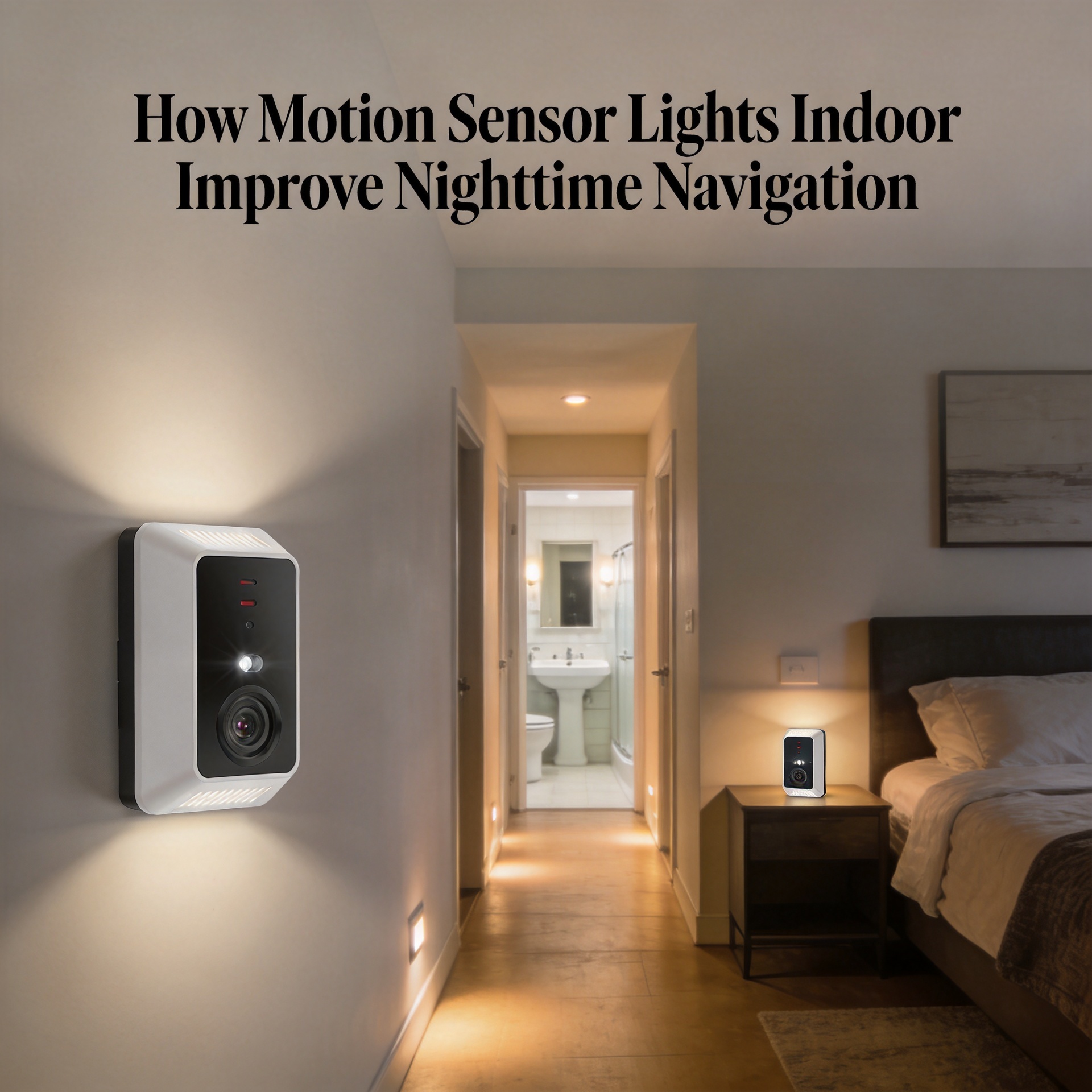
Learn how a motion sensor light indoor can support clearer nighttime routes in hallways, stairs, and bathrooms.
2026/10/13
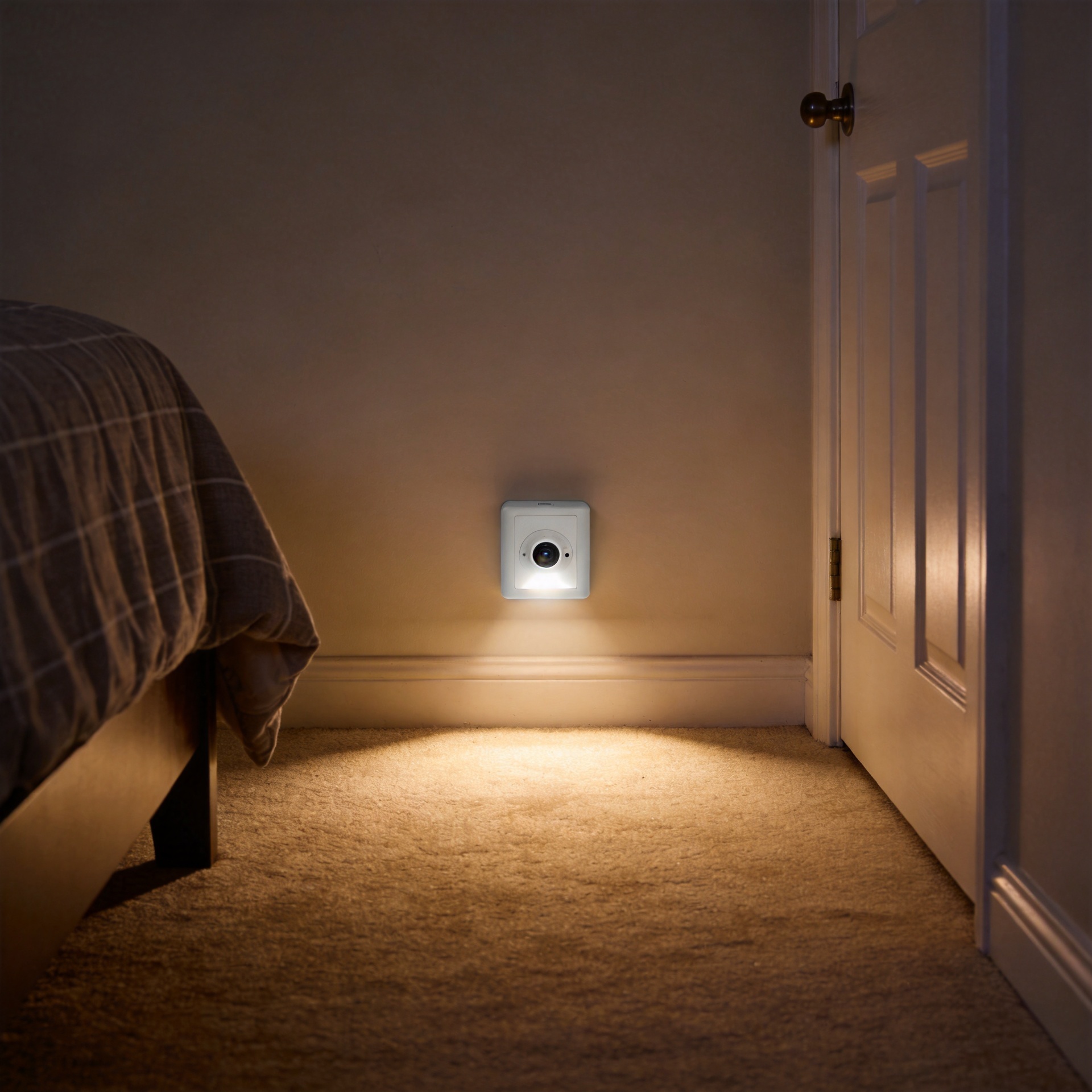
Find the best places for a motion sensor light indoor, from bedrooms and hallways to bathroom entrances, with glare and sensor tips.

2026/10/13
Discover how cloth storage bins simplify seasonal clothing organization, save space, and make wardrobe rotations easier.
2026/10/13
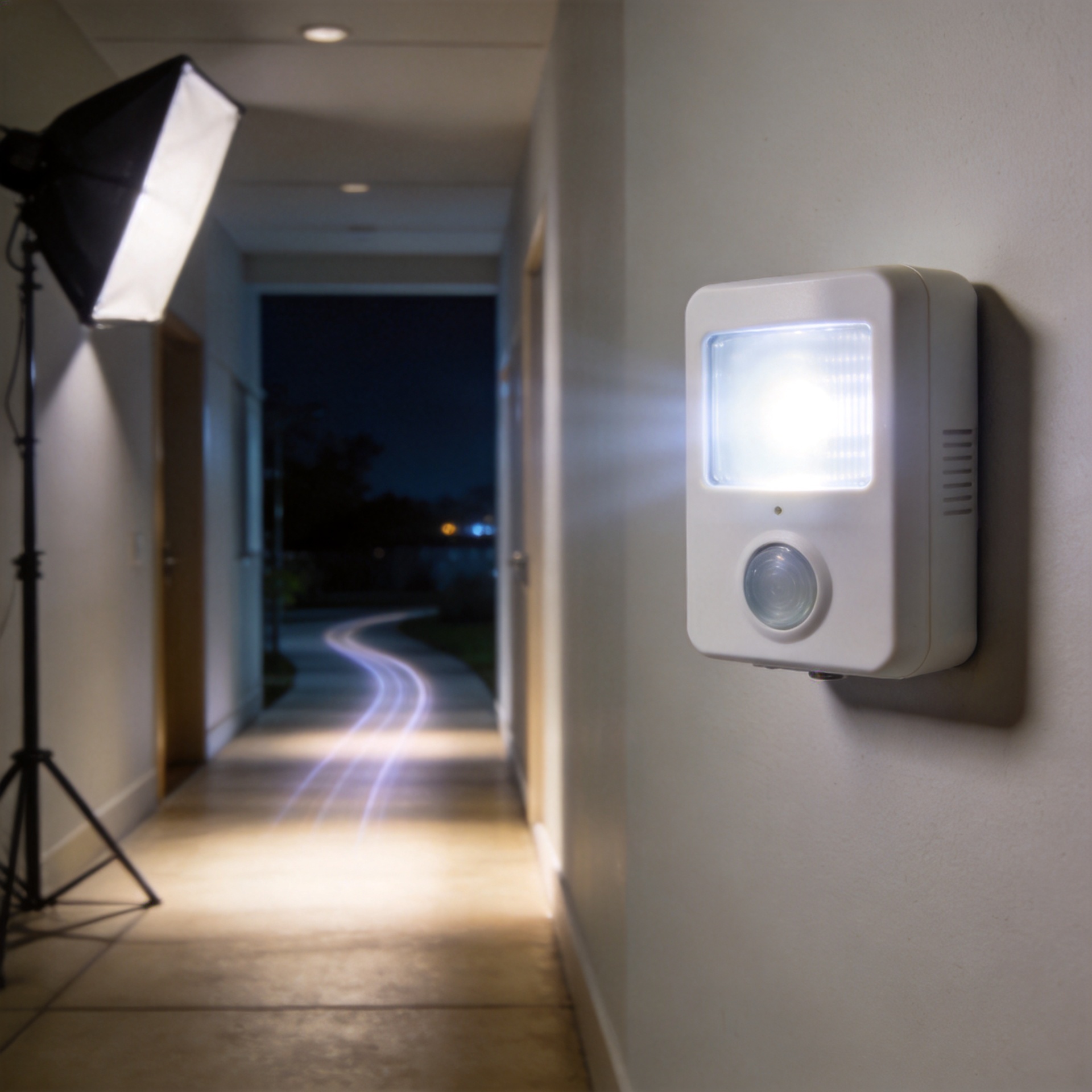
Learn how motion sensor nightlights use PIR detection, a night day sensor, and a timer for automatic nighttime guidance.

Ideal for comfortable reading, energy-efficient LED design suitable for offices and homes.

Smart adjustable lighting for study spaces, long-lasting LED with optimal brightness control.

Provides gentle illumination at night, portable LED design suitable for bedrooms and corridors.

High-performance LED bulbs for every application, reliable, efficient, and eco-friendly lighting.

Connect with our reseller network for bulk LED products and customized procurement solutions.

Expert advice, installation guidance, and after-sales service for all LED lighting projects.
