 EN
EN

LED Reading Lamp
Ideal for comfortable reading, energy-efficient LED design suitable for offices and homes.
2026/10/13
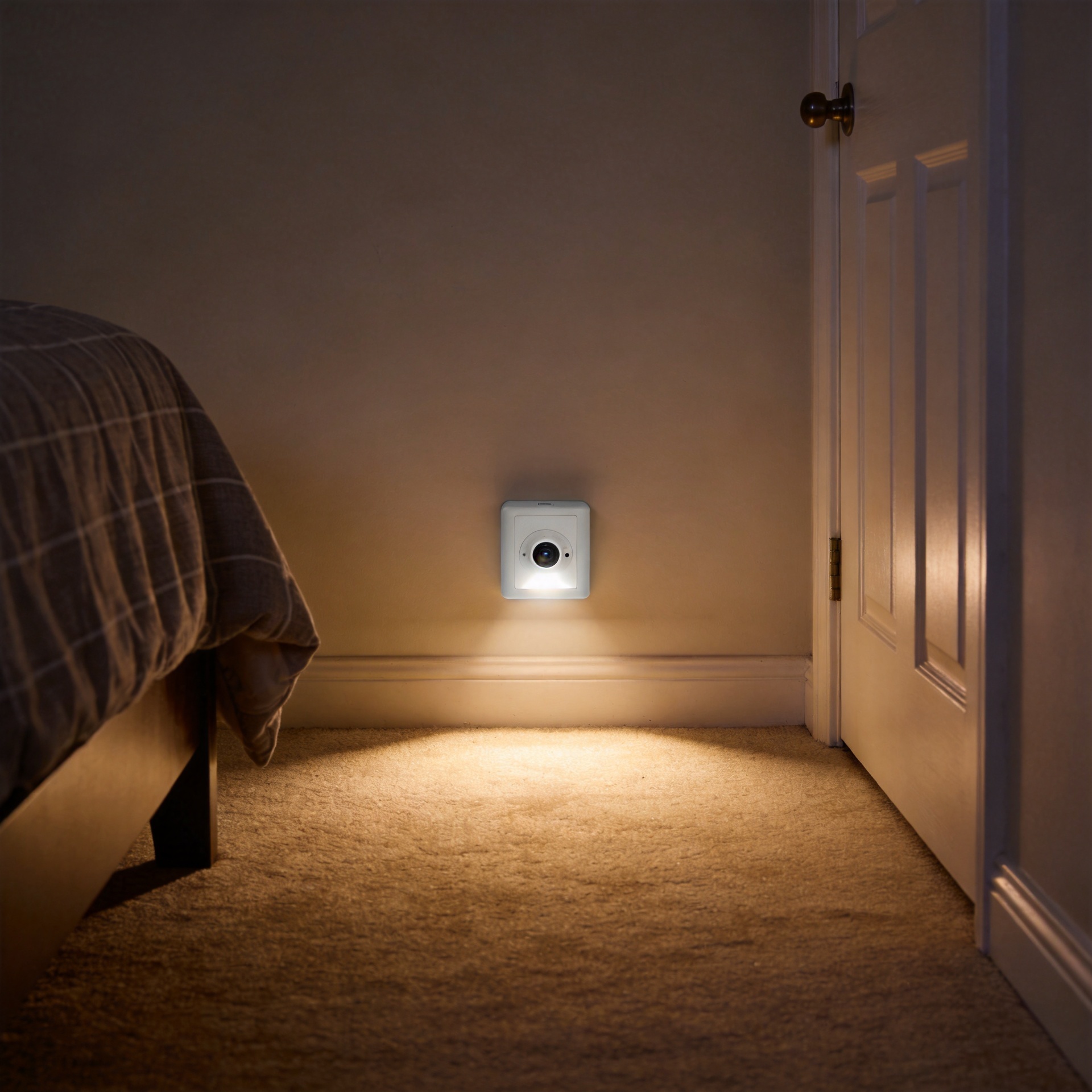
A motion sensor light indoor is most useful when it lights the short route you take after dark without shining into your eyes, waking someone nearby, or switching on for every bit of background movement. For a room night light, a useful location is usually not the center of the room. It is the point where a person begins to move along a dark path: beside a bed, at the end of a hallway, near a bathroom entrance, or just inside a closet.
From a daily-use perspective, placement matters as much as the fixture itself. It is easy to focus on how a light looks at first, but the more useful question is: where do you pause, turn, or need to see the floor at night? Motion-sensing lights can help reduce nighttime trips and fumbles, yet they work more reliably when the sensor can see the approach route and the light stays outside a direct sleeping sightline.
Before placing a motion sensor light indoor, walk the route in low light. Notice where your hand reaches for a switch, where furniture narrows the way, and where the floor changes level. A room night light should provide orientation rather than turn a quiet room into a brightly lit space.
In most homes, aim the sensor toward the direction a person approaches from. A light placed behind a door, behind a curtain, or around a sharp corner may turn on only after you have already passed the point where you need it. On the other hand, a sensor facing a busy open-plan area may activate far more often than needed.
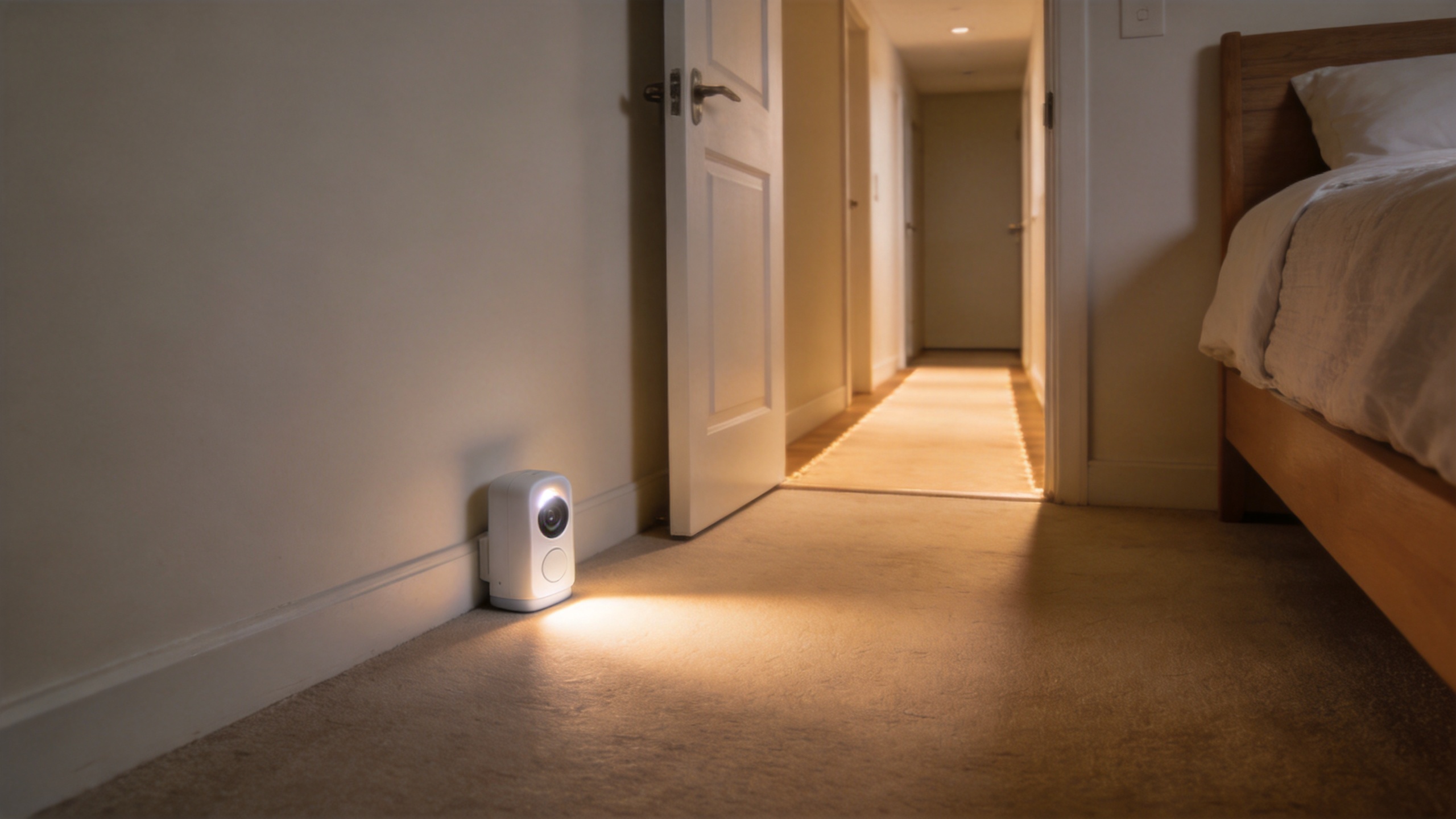
For a bedroom, a motion sensor light indoor is usually most comfortable near the lower edge of the bed, on a nearby wall, or along the route from the bed to the door. The goal is to make slippers, furniture edges, and the doorway easier to see without directing light toward a pillow.
A plug-in or low-mounted room night light can work well if its output faces down toward the floor. Avoid placing it directly opposite the bed, beside a mirror that reflects into the sleeping area, or where a partner’s normal turning movement will trigger it repeatedly. If the bedroom opens to an ensuite, position the light so it supports the path rather than lighting the entire room.
There is no single fixed height for every design. The practical check is whether the sensor notices a person getting up while the light itself remains below eye level. If the sensor misses motion, adjust its angle or shift it toward the natural first step instead of simply increasing brightness.
Hallways, landings, and stairs are among the most natural places for a motion sensor light indoor because people often use them briefly and at night. Put the unit where it can detect entry into the route, not halfway along it. For a long hallway, a room night light near each end may be more useful than one bright source in the middle.
On stairs, prioritize the first and last steps, as well as any turn or landing. Keep the light aimed toward the treads or adjacent wall so it helps define the walking surface. Do not hide the sensor behind a banister or point the light directly at someone coming down the stairs. A small trial is worth doing: walk through the area at normal speed from both directions and make sure the light turns on early enough.
The bathroom doorway is a strong location for a motion sensor light indoor, especially when the route from the bedroom is dark. Rather than placing a bright source inside the bathroom at face height, consider a low light outside the entrance or just inside the door where it can reveal the threshold and floor.
Humidity, splashes, and the available outlet position all affect the right choice. Keep any device away from direct water exposure, follow its instructions for the location, and avoid placing the sensor where steam, a swinging door, or a reflective tile surface interferes with normal detection. If someone enters the bathroom at night, a softer room night light at the transition may be enough to navigate before using the main light.
Small enclosed areas benefit from a motion sensor light indoor when the sensor has a clear view of the opening movement. In a closet, place the light near the door edge or inside wall where opening the door brings a person into the sensing area. Do not bury it behind hanging clothes or install it where a shelf blocks the sensor.
Under a kitchen cabinet, near a utility shelf, or inside a pantry, the same rule applies: illuminate the task edge and approach zone, not the whole room. A room night light used in these spaces should not activate every time people pass through an adjoining room. Turn the sensor slightly away from wider traffic and verify its response after the area is stocked with everyday items.
Placement is not only about where light is needed; it is also about what the sensor sees. Direct sunlight, heat sources, reflective surfaces, and frequent pet movement can contribute to unwanted activation in some setups. This does not mean every location will create a problem, but it is a useful checklist before final installation.
| Placement issue | What may happen | A practical adjustment |
|---|---|---|
| Light faces the bed | Glare or sleep disruption | Move it lower or aim it toward the floor. |
| Sensor is behind a door or furniture | Late activation or missed motion | Shift it toward the approach path. |
| Sensor faces a busy living area | Frequent activation | Angle it away from cross-traffic. |
| Nearby mirror or glossy surface | Distracting reflected light | Change the beam direction or use a less reflective surface. |
| Pet route crosses the sensor area | Unwanted activation | Choose a higher or differently angled location where appropriate. |
This short test helps separate a convenient location from one that merely looks tidy. If the light comes on too late, re-think the approach angle. If it comes on too often, reduce its exposure to cross-traffic rather than assuming the room night light is unsuitable.
If you are adding only one motion sensor light indoor, start with the route that feels least safe or least convenient after dark: often the bedroom-to-bathroom path, a narrow hallway, a stair landing, or a closet. The merchant’s wireless motion sensor night light is one example of a product category that can be considered for these short indoor routes; select and install any product according to its own instructions and the conditions of the space.
A well-placed room night light should feel almost unnoticed. It responds where you need it, stays out of your direct line of sight, and supports a calmer transition through the home after dark. Start with the path, check the sensor angle, and make a small adjustment after a real nighttime test.

2026/10/13
Use a wardrobe organiser and foldable storage boxes to sort clothes by category, season, and access for an easier-to-maintain closet.
2026/10/13
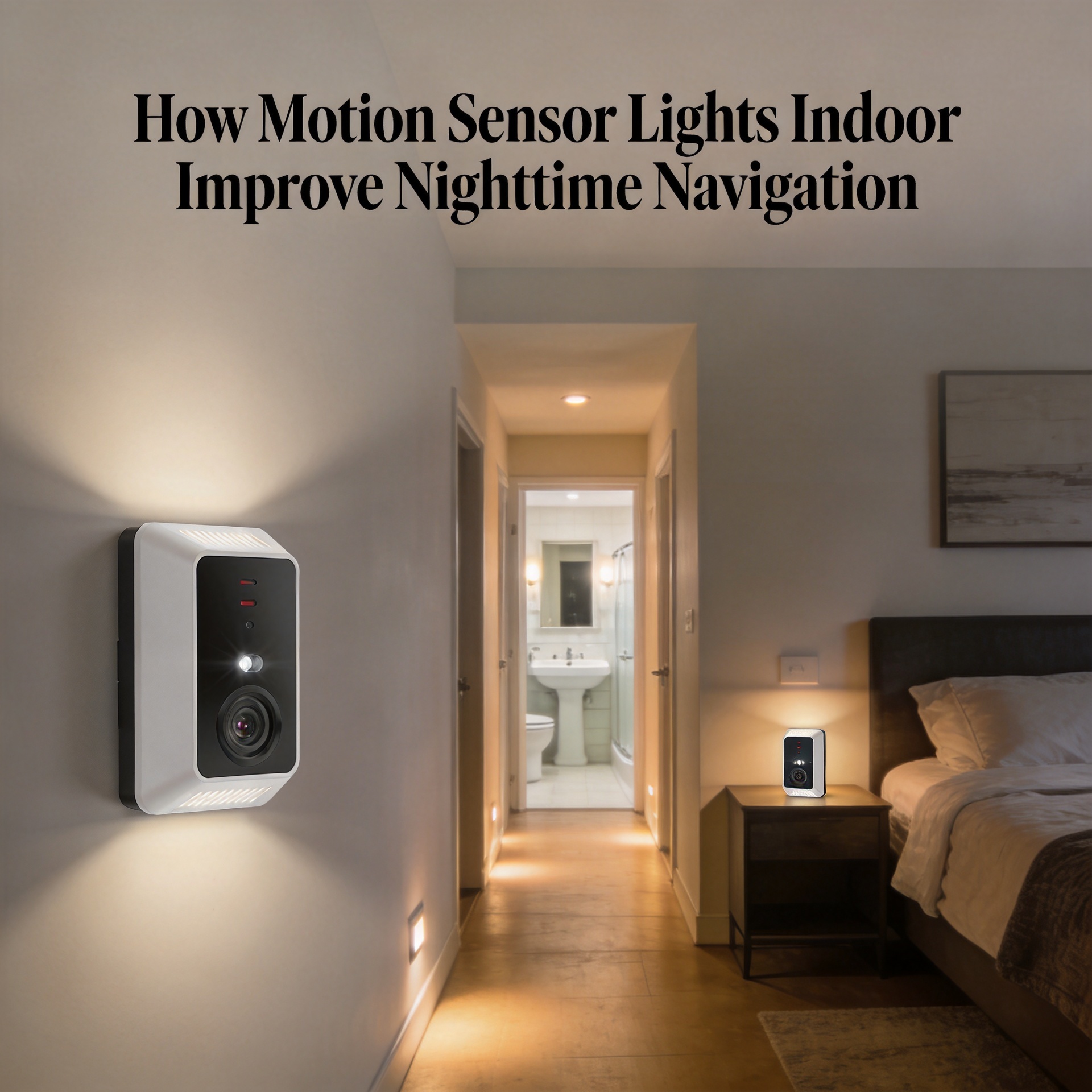
Learn how a motion sensor light indoor can support clearer nighttime routes in hallways, stairs, and bathrooms.
2026/10/13
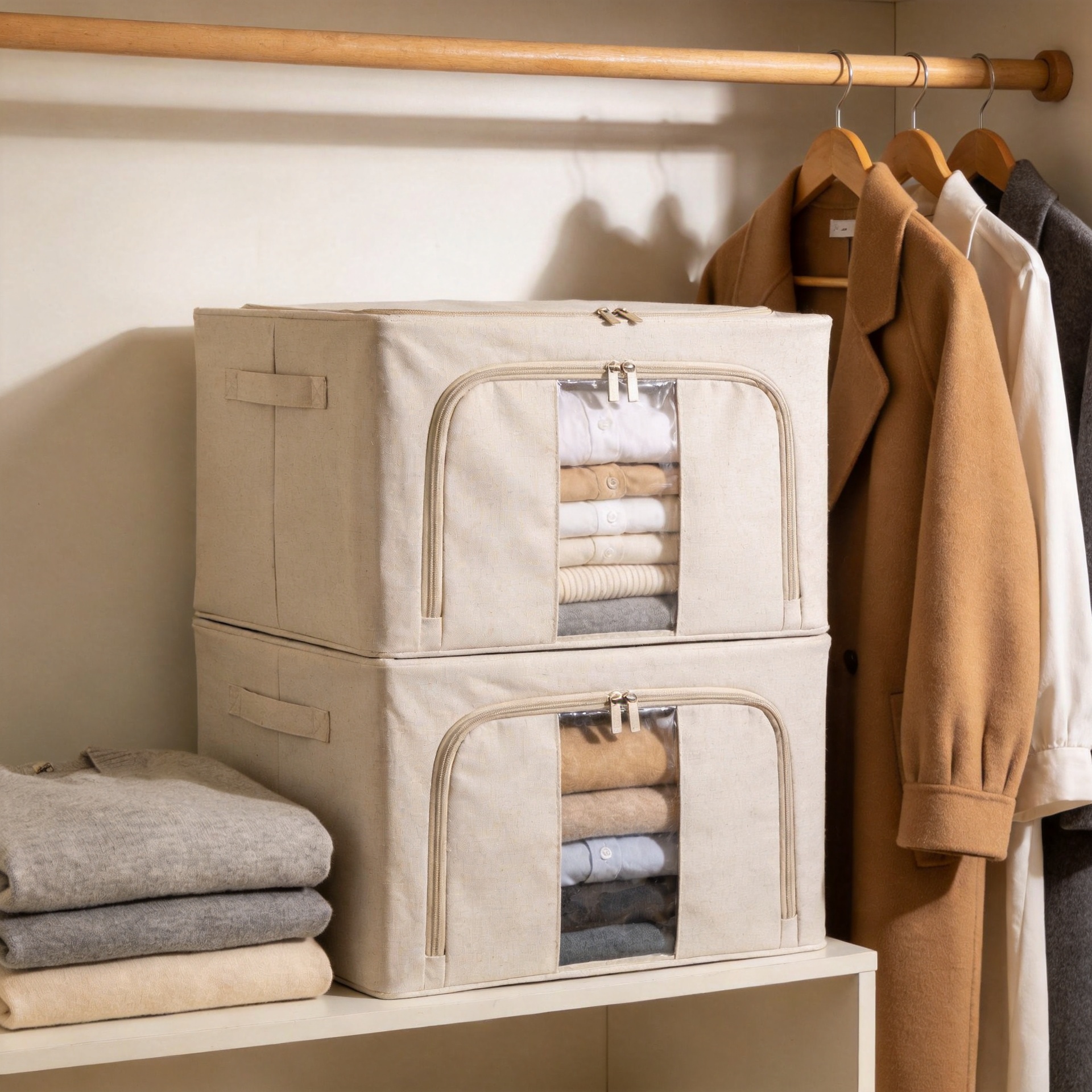
Discover how cloth storage bins simplify seasonal clothing organization, save space, and make wardrobe rotations easier.
2026/10/13
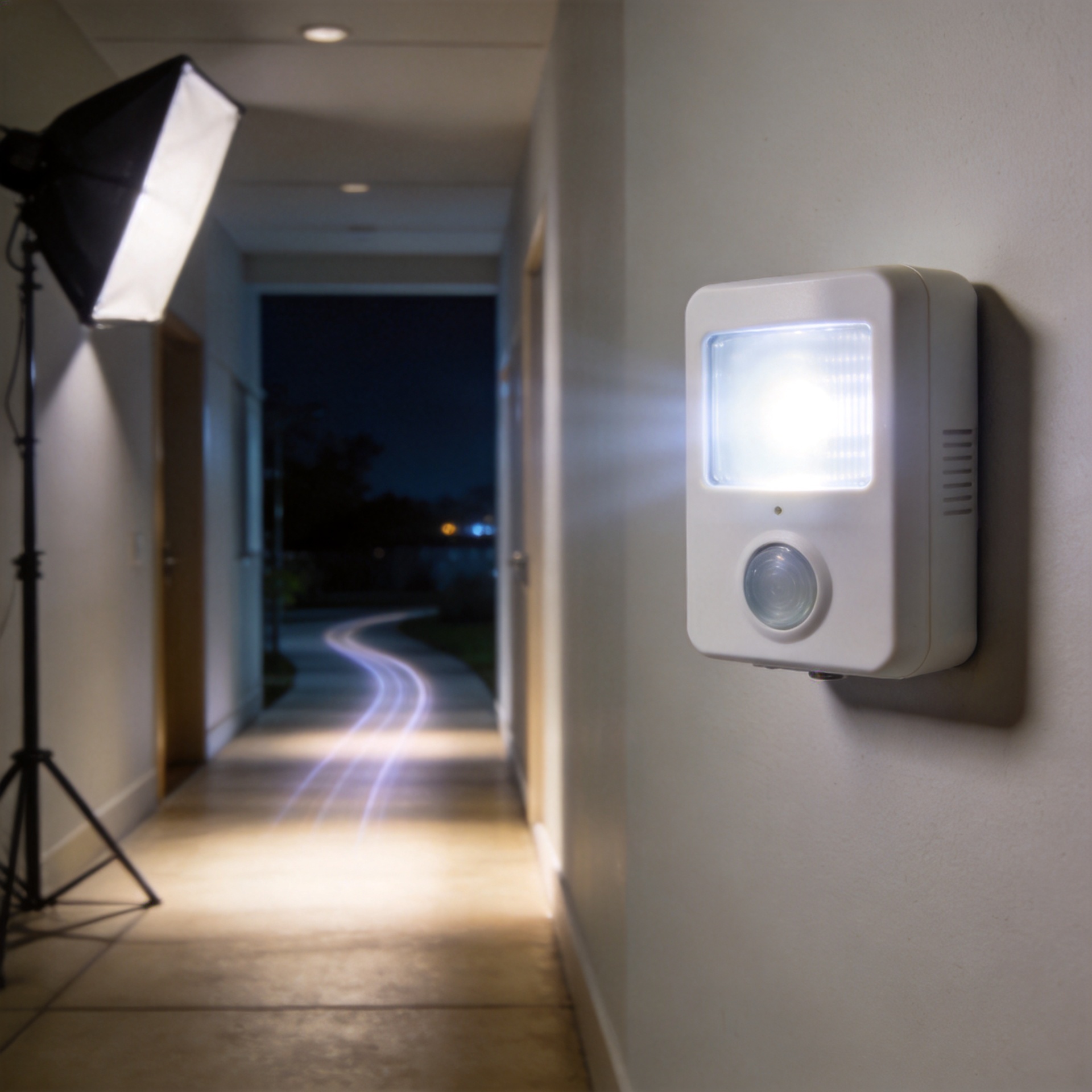
Learn how motion sensor nightlights use PIR detection, a night day sensor, and a timer for automatic nighttime guidance.

2026/10/12
Covers human-centric lighting, IoT integration, retrofit economics, and sustainability mandates driving adoption.

Ideal for comfortable reading, energy-efficient LED design suitable for offices and homes.

Smart adjustable lighting for study spaces, long-lasting LED with optimal brightness control.

Provides gentle illumination at night, portable LED design suitable for bedrooms and corridors.

High-performance LED bulbs for every application, reliable, efficient, and eco-friendly lighting.

Connect with our reseller network for bulk LED products and customized procurement solutions.

Expert advice, installation guidance, and after-sales service for all LED lighting projects.
