 EN
EN

LED Reading Lamp
Ideal for comfortable reading, energy-efficient LED design suitable for offices and homes.
2026/10/12

Selecting the optimal correlated color temperature (CCT) for industrial LED high bay lights is far more than an aesthetic decision—it directly impacts visual acuity, worker alertness, energy efficiency, and long-term facility performance. In warehouses, manufacturing plants, and distribution centers where tasks range from precision assembly to pallet inspection, the wrong CCT can contribute to eye strain, reduced productivity, and even circadian disruption among shift workers. This guide cuts through marketing generalizations to deliver a practical, evidence-informed framework for choosing between common CCT options: 4000K (neutral white), 5000K (cool white), and 6500K (daylight white). We examine each option across four critical dimensions—visual comfort, task performance, energy efficiency, and circadian impact—so lighting designers, facility managers, and procurement teams can make data-backed decisions aligned with operational goals and human factors.
Correlated color temperature (CCT), measured in Kelvin (K), describes the apparent 'warmth' or 'coolness' of white light—not its actual thermal output. While residential lighting often favors 2700K–3000K for ambiance, industrial environments demand higher CCTs to support visual clarity under high-ceiling conditions and variable ambient light. Unlike office spaces, industrial facilities face unique challenges: large vertical and horizontal sightlines, reflective surfaces (e.g., metal shelving, concrete floors), dynamic shadow patterns, and extended operating hours—including overnight shifts. These variables mean that CCT interacts critically with fixture optics, mounting height, and uniformity ratios—making blanket recommendations ineffective.
Three interdependent criteria govern effective CCT selection:
Energy efficiency remains a constant priority—but unlike lumen output or driver efficacy, CCT itself has negligible direct impact on wattage. However, inappropriate CCT can indirectly increase energy use by prompting over-lighting (e.g., adding extra fixtures to compensate for poor visual clarity).
The following table compares 4000K, 5000K, and 6500K CCT options using real-world industrial benchmarks derived from IES RP-27, WELL Building Standard v2, and field studies conducted across 12 North American distribution centers (2022–2024).
| Selection Criterion | 4000K (Neutral White) | 5000K (Cool White) | 6500K (Daylight White) |
|---|---|---|---|
|
Visual Comfort (Glare control, reflection management) |
✓ Best for mixed-material floors (concrete + epoxy); lowest perceived glare in high-bay (>30 ft) applications | ✓ Balanced performance; moderate glare risk on polished steel surfaces | ✗ Higher veiling reflection on wet floors and stainless equipment; requires precise optical shielding |
|
Task Performance (Contrast sensitivity, detail resolution) |
✓ Excellent for medium-detail tasks (e.g., packaging, sorting); slightly warmer tone improves depth perception at distance | ✓ Optimal for high-acuity tasks (e.g., QC inspection, robotic guidance lighting); highest CRI compatibility | ✓ Superior for fine-detail work under daylight-simulated conditions; may cause visual fatigue beyond 4 hrs continuous exposure |
|
Energy Efficiency (Luminous efficacy & system-level optimization) |
✓ Highest typical lm/W for mid-power COB LEDs (165–178 lm/W) | ✓ Slightly lower efficacy than 4000K but offset by superior optical utilization in reflector-based high bays | ✗ Lowest efficacy (142–155 lm/W); often requires 8–12% higher drive current for equivalent lumen output |
|
Circadian Impact (Melanopic EDI, shift-worker readiness) |
✓ Low melanopic ratio (0.38–0.42); ideal for 24/7 facilities with overlapping shifts | ✓ Moderate melanopic ratio (0.54–0.59); supports daytime alertness without disrupting evening melatonin onset | ✗ High melanopic ratio (0.72–0.78); recommended only for daytime-only operations or circadian-tuned dimming systems |
There is no universal 'best' CCT—but there are context-optimized choices:
Choosing the right CCT for industrial LED high bay lighting demands moving beyond legacy assumptions and embracing a multidimensional evaluation framework. While 5000K has emerged as the most versatile default for new installations, 4000K remains the pragmatic choice for complex shift schedules and glare-sensitive environments—and 6500K should be deployed selectively, with human-centric controls. Ultimately, CCT selection must be embedded within holistic lighting design: photometric modeling, spectral tuning, and post-installation validation. By aligning CCT with both operational requirements and biological needs, facilities can achieve measurable gains in safety, throughput, and sustainability—without compromising on quality or compliance.

2026/10/13
Use a wardrobe organiser and foldable storage boxes to sort clothes by category, season, and access for an easier-to-maintain closet.
2026/10/13
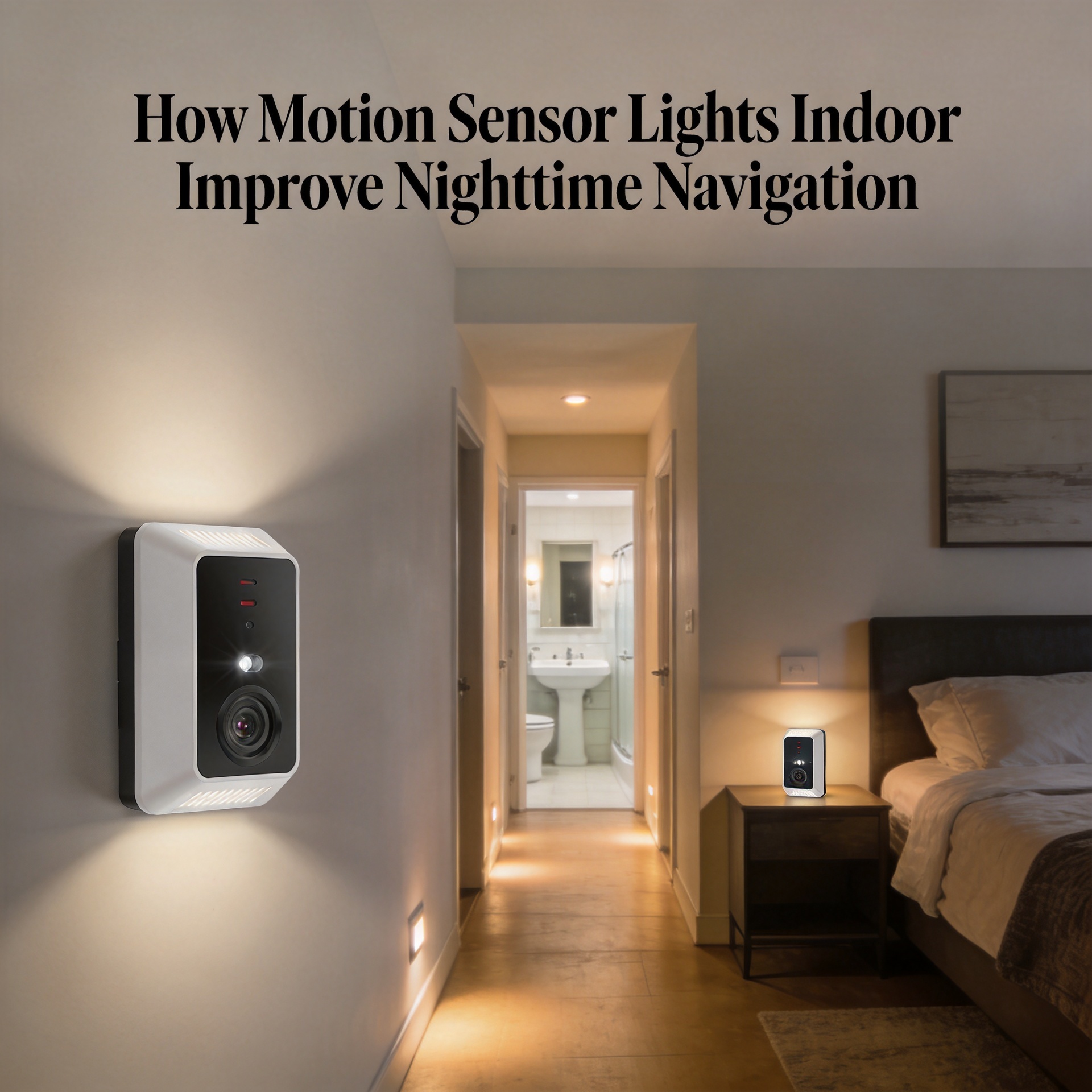
Learn how a motion sensor light indoor can support clearer nighttime routes in hallways, stairs, and bathrooms.
2026/10/13
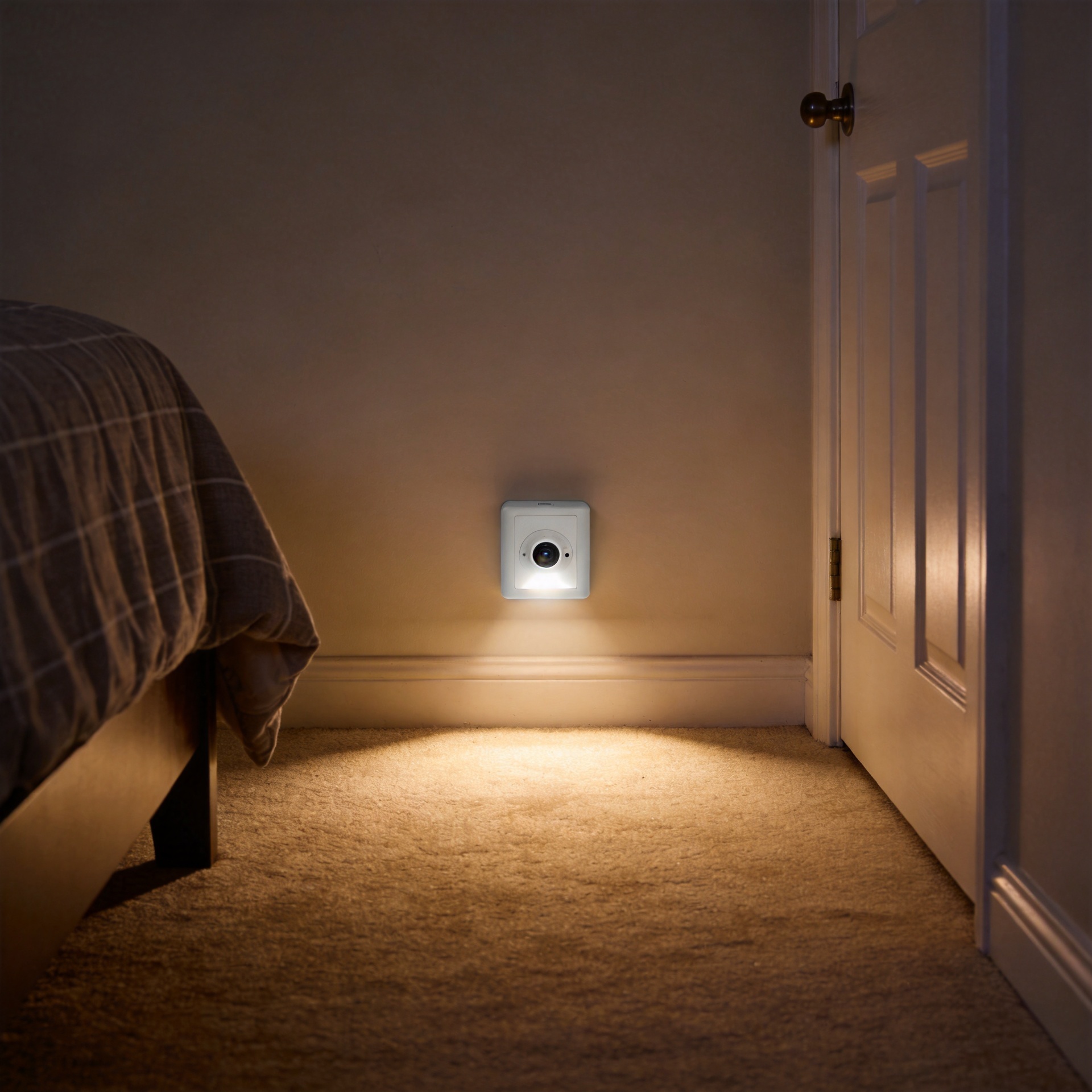
Find the best places for a motion sensor light indoor, from bedrooms and hallways to bathroom entrances, with glare and sensor tips.

2026/10/13
Discover how cloth storage bins simplify seasonal clothing organization, save space, and make wardrobe rotations easier.
2026/10/13
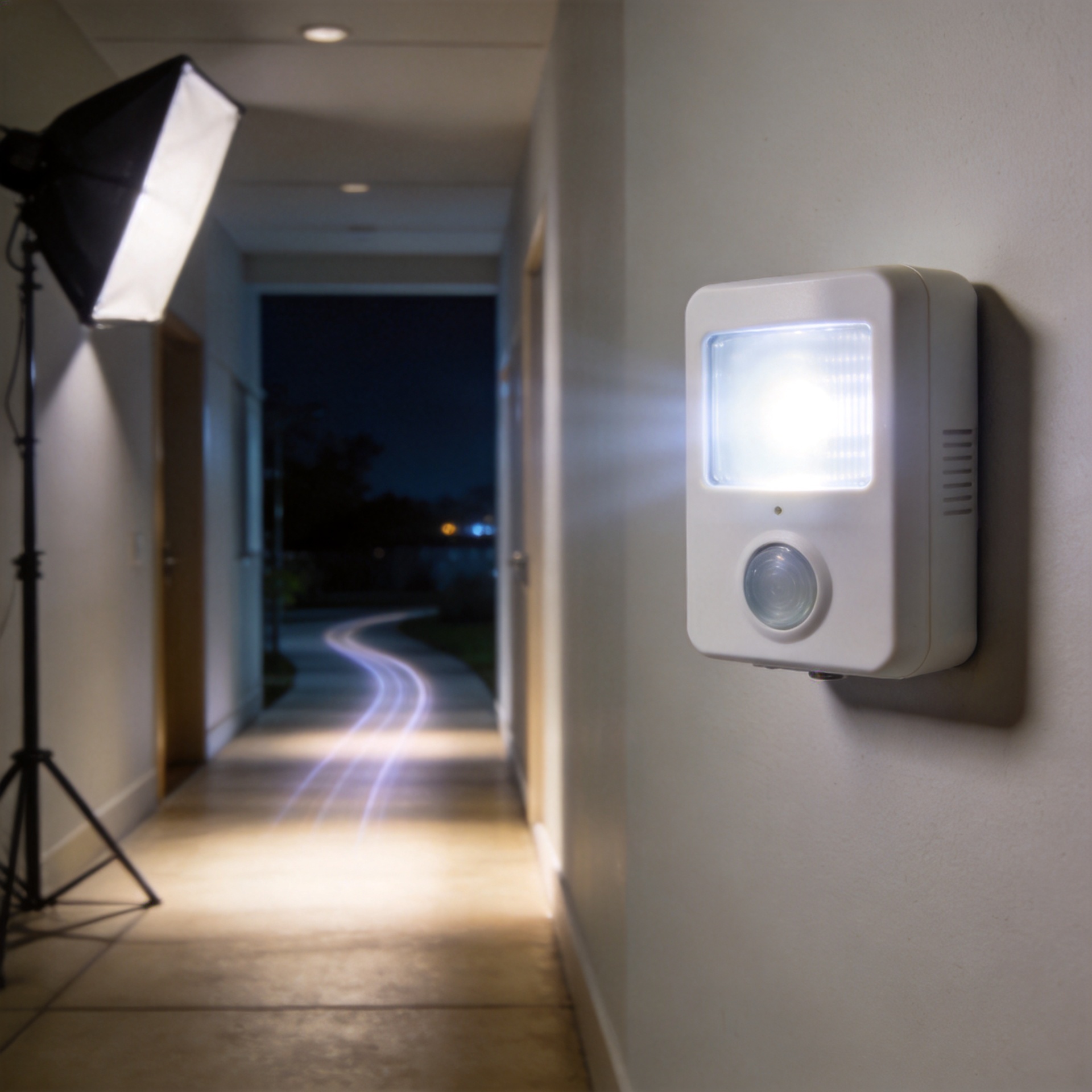
Learn how motion sensor nightlights use PIR detection, a night day sensor, and a timer for automatic nighttime guidance.

2026/10/12
Covers human-centric lighting, IoT integration, retrofit economics, and sustainability mandates driving adoption.

Ideal for comfortable reading, energy-efficient LED design suitable for offices and homes.

Smart adjustable lighting for study spaces, long-lasting LED with optimal brightness control.

Provides gentle illumination at night, portable LED design suitable for bedrooms and corridors.

High-performance LED bulbs for every application, reliable, efficient, and eco-friendly lighting.

Connect with our reseller network for bulk LED products and customized procurement solutions.

Expert advice, installation guidance, and after-sales service for all LED lighting projects.
