 EN
EN

LED Reading Lamp
Ideal for comfortable reading, energy-efficient LED design suitable for offices and homes.
2026/10/13
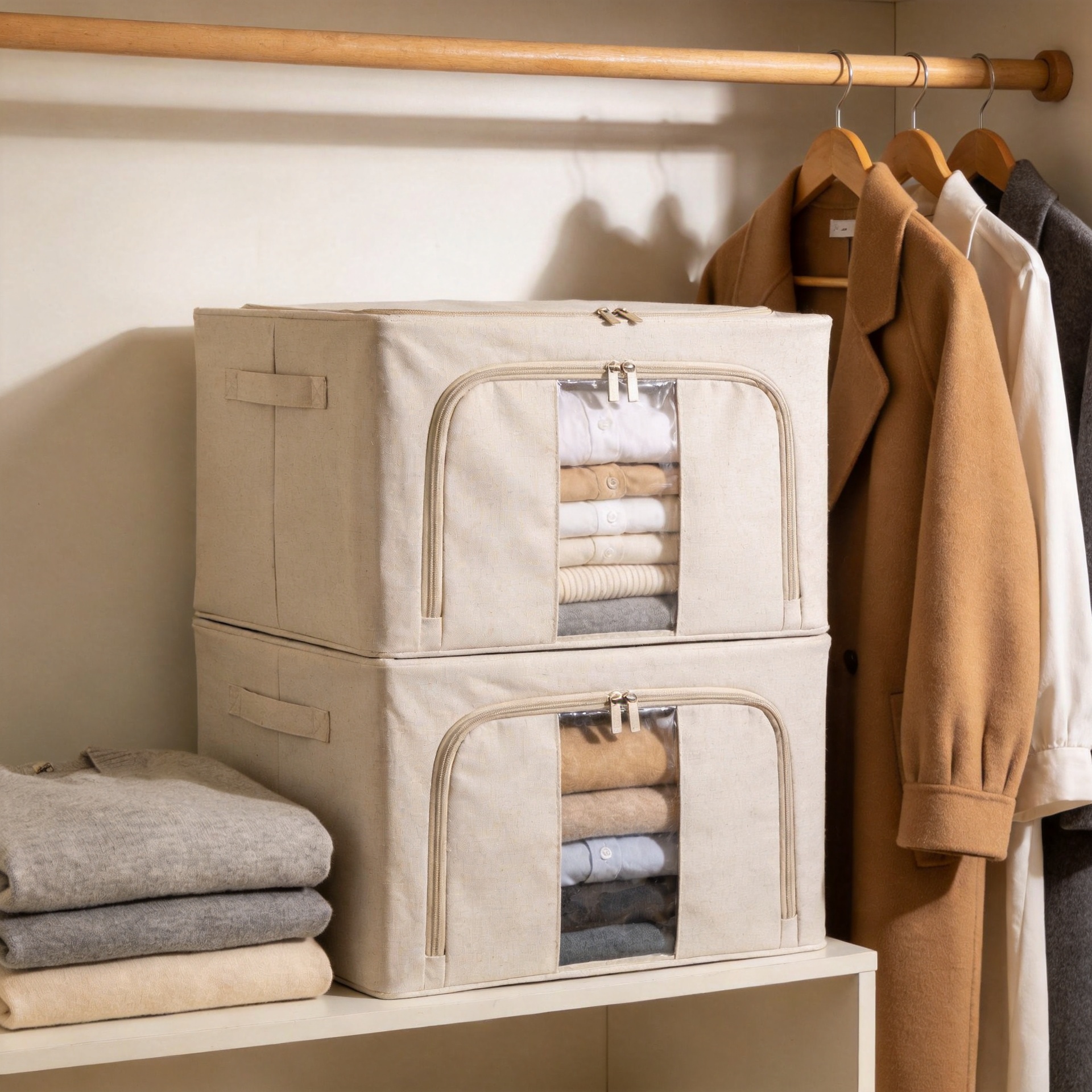
When a closet feels crowded, the issue is often not the amount of clothing but the lack of a clear rotation system. Cloth storage bins give seasonal clothing a defined home between wardrobe changes, helping you keep daily-use pieces accessible while moving off-season items out of the way. Foldable boxes are especially useful in homes where storage space needs to work harder: they can be opened for a busy changeover, then folded flat when the extra capacity is no longer needed.
This is an awareness-stage guide to the practical role of cloth storage bins in seasonal clothing organization. It focuses on common use cases, preparation steps, space planning, and the basic questions to ask before choosing a box.
Seasonal rotation is more than a once-a-year tidy-up. A simple routine makes it easier to see what you own, reduces the chance of clean clothes being mixed with items that need repair or laundering, and clears visual space in drawers and wardrobes. Before putting garments away, sort them into three groups: keep for next season, donate or recycle, and repair or clean. Only the first group should go into long-term storage.
General garment-care guidance also favors storing clothes clean and thoroughly dry. Moisture, food residue, and body oils can become more difficult to address after months in a closed container. Folding or rolling items consistently helps you see categories at a glance and prevents an overfilled container from becoming a difficult-to-use pile. Cloth storage bins support this approach because each bin can hold one category, such as knitwear, swimwear, lightweight linens, or children’s outgrown seasonal layers.
The main benefit of a foldable box is flexibility. A rigid tote uses the same footprint whether it is full or empty. Foldable cloth storage bins, by contrast, can be collapsed after a wardrobe reset, freeing shelf, closet, or utility-room space for something else. That makes them a sensible option for apartments, guest rooms, dorm rooms, or households where storage needs change throughout the year.
They also work well with the spaces that already exist. A matching set can make a closet shelf easier to read; smaller boxes can separate accessories or children’s clothing inside a larger wardrobe; and lower-profile designs may suit the space beneath a bed. The objective is not to fill every corner. It is to assign each container a location that can be reached without moving several unrelated items first.
A box is most useful when it answers one question immediately: what belongs here? Start with a category that is broad enough to be practical but narrow enough to avoid digging. For example, “winter knitwear” is easier to manage than “all winter clothes,” while “blue sweaters” may be too specific for most homes.
Try a simple three-part system. First, put bulky pieces such as sweaters, fleece layers, and scarves in one group. Second, store lighter seasonal items such as summer tops, shorts, or swimwear in another. Third, reserve a small bin for transition pieces that might be needed during unpredictable weather. This gives you a clear place for each item without forcing every garment into a separate container.
Labels are the part people often skip, but they make the next rotation much faster. A label can include the season, category, owner, and a short note such as “wash before wear.” If bins are stacked, place the label on the front rather than only on the lid. For fabric boxes without a clear window, a simple inventory card can prevent unnecessary searching.
Not every storage box needs the same features. A suitable choice depends on where it will sit, what it will hold, and how often you expect to open it. Measure the intended shelf, drawer, or under-bed space before choosing cloth storage bins. Then measure a typical folded stack of clothing, not just the empty space. A container that looks generous may be too deep for a shelf or too tall to slide out comfortably.
| Question to ask | Why it matters |
|---|---|
| Where will the bin live? | Closet shelves, open shelves, and under-bed spaces have different height and access limits. |
| What will it hold? | Bulky knitwear, lightweight clothes, shoes, and accessories need different internal space. |
| Will it be moved often? | Handles and an easy-to-grip shape can matter during a seasonal changeover. |
| Does the area collect dust? | A lid or closure may be more suitable for longer storage periods. |
| Will the bin be empty part of the year? | Foldable construction helps reduce unused storage volume. |
It is also worth avoiding overpacking. Clothing needs enough room to stay folded rather than being forced into a compressed mass. For delicate pieces, use appropriate garment-care methods and avoid treating a general storage bin as a substitute for specialized preservation storage.
This routine does not need special equipment to be effective. Its value comes from consistency: the same categories, the same labels, and a storage place that makes sense for your home.
Rigid containers can be useful in environments that need a hard-sided format, while foldable boxes are often the more adaptable choice for indoor closet and shelf organization. If your storage needs expand during a seasonal switch and shrink afterward, the ability to collapse unused cloth storage bins can be a meaningful advantage. They can also create a more coordinated look in open storage areas where a collection of mismatched containers would feel busy.
For a product reference, you can review the verified 可折叠衣物收纳箱 (foldable clothing storage box) available on this site. Before choosing any option, confirm the dimensions, closure style, and suitability for your planned storage location.
Seasonal organization is easier to maintain when it removes small decisions rather than adding new ones. Start by choosing a few categories, give each one a labeled place, and use foldable cloth storage bins where temporary extra capacity will help. With clean, dry clothing and a repeatable rotation routine, your everyday wardrobe can stay easier to browse while off-season pieces remain organized for their next use.
2026/10/13
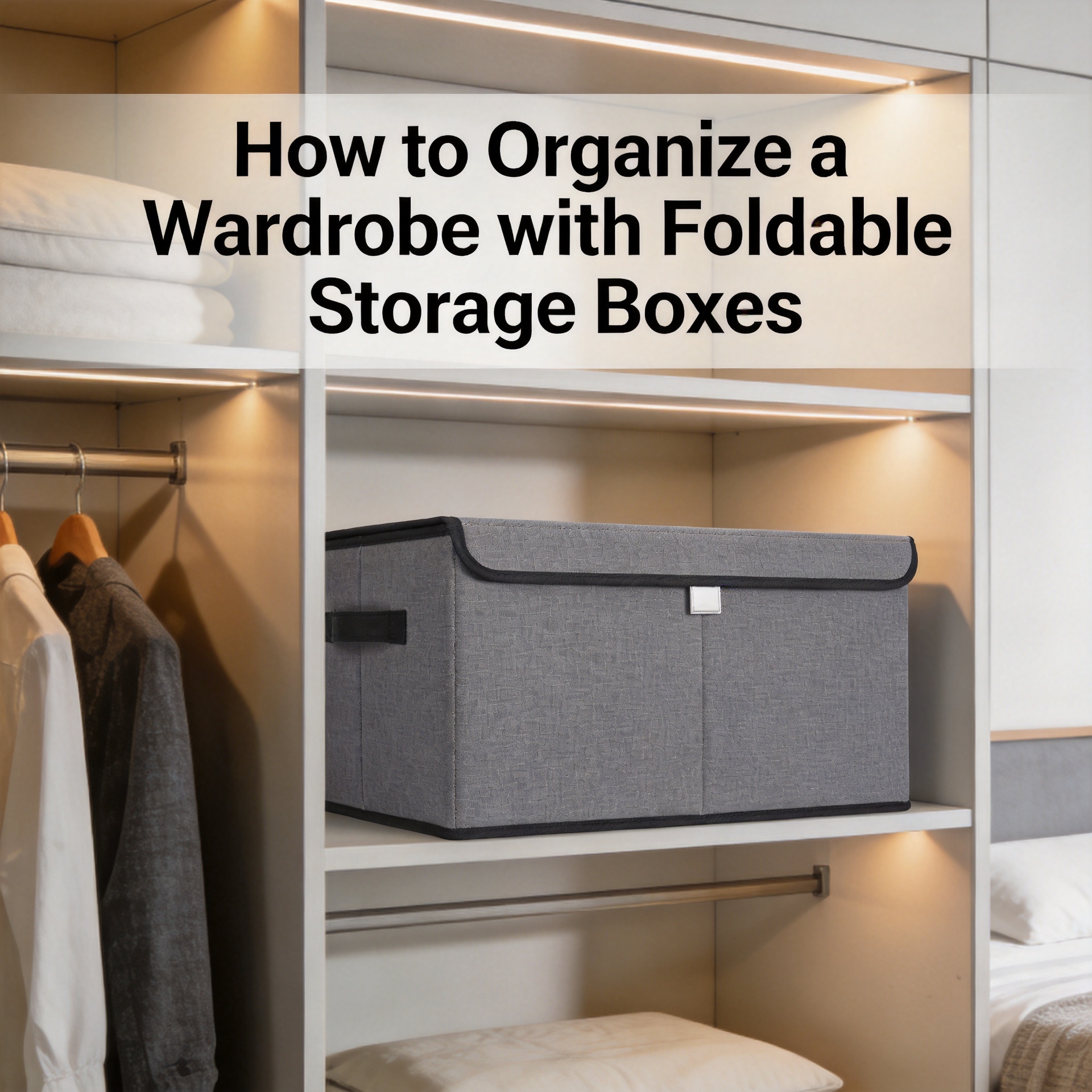
Use a wardrobe organiser and foldable storage boxes to sort clothes by category, season, and access for an easier-to-maintain closet.
2026/10/13
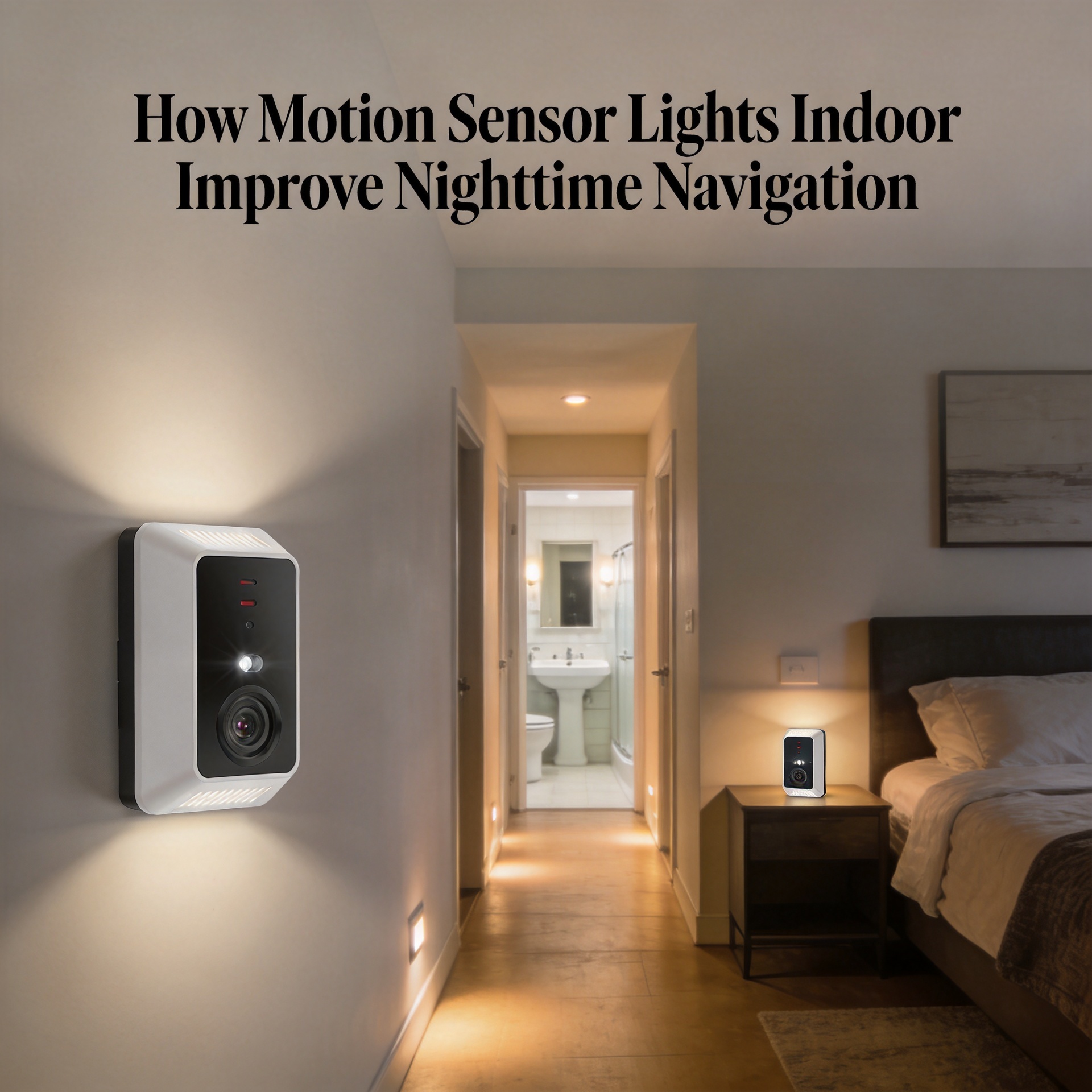
Learn how a motion sensor light indoor can support clearer nighttime routes in hallways, stairs, and bathrooms.
2026/10/13
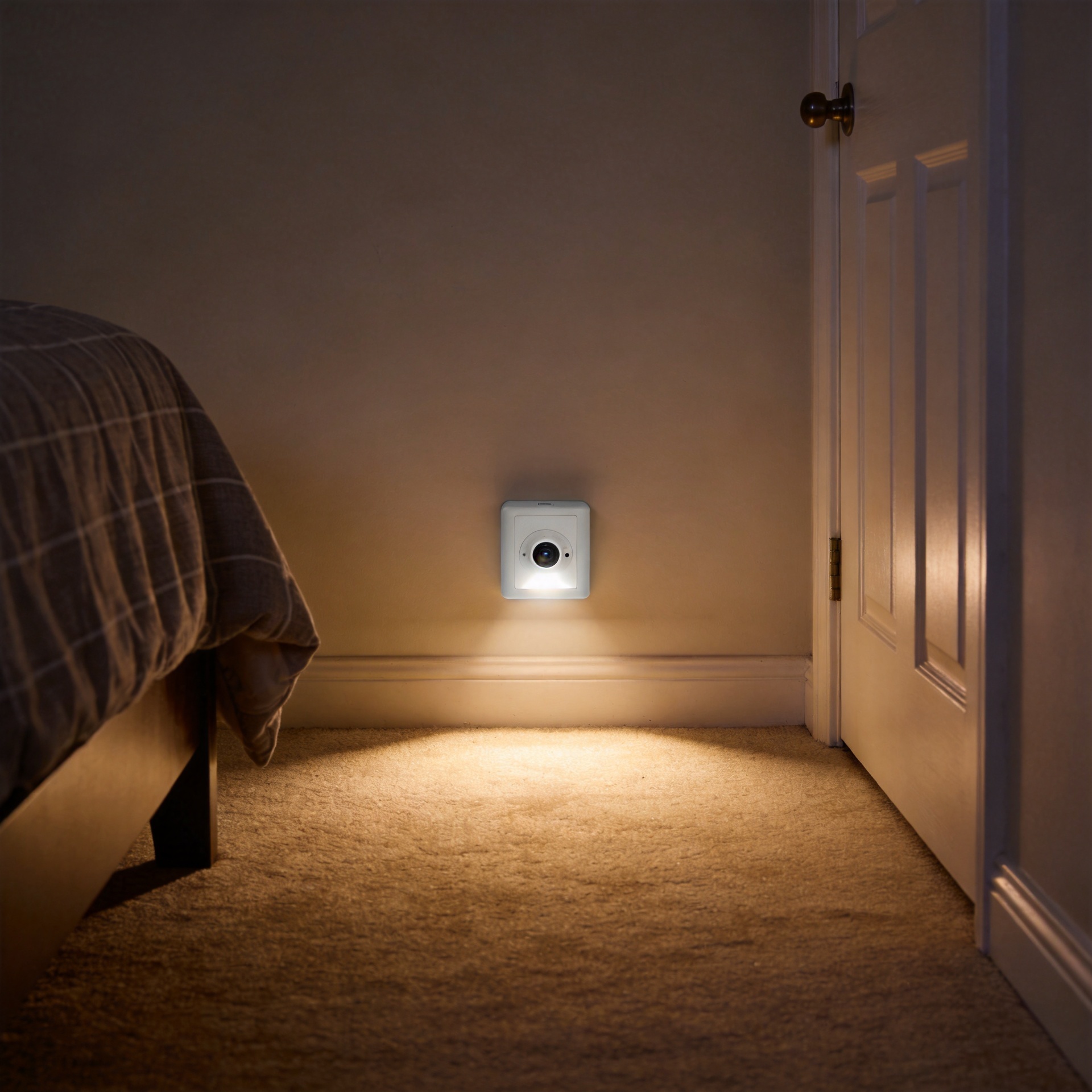
Find the best places for a motion sensor light indoor, from bedrooms and hallways to bathroom entrances, with glare and sensor tips.

2026/10/13
Learn how motion sensor nightlights use PIR detection, a night day sensor, and a timer for automatic nighttime guidance.

2026/10/12
Covers human-centric lighting, IoT integration, retrofit economics, and sustainability mandates driving adoption.

Ideal for comfortable reading, energy-efficient LED design suitable for offices and homes.

Smart adjustable lighting for study spaces, long-lasting LED with optimal brightness control.

Provides gentle illumination at night, portable LED design suitable for bedrooms and corridors.

High-performance LED bulbs for every application, reliable, efficient, and eco-friendly lighting.

Connect with our reseller network for bulk LED products and customized procurement solutions.

Expert advice, installation guidance, and after-sales service for all LED lighting projects.
