 EN
EN
LED Reading Lamp
Ideal for comfortable reading, energy-efficient LED design suitable for offices and homes.
2026/10/12

The IP66 rating is a critical benchmark for commercial and industrial outdoor LED lighting — yet it’s frequently misunderstood or oversimplified in product specifications. As cities expand smart streetlight networks, warehouses upgrade high-bay systems, and retail campuses deploy durable architectural lighting, selecting fixtures with verified ingress protection is no longer optional — it’s foundational to safety, longevity, and total cost of ownership. This article demystifies the IP66 classification: what each digit signifies, how testing is conducted under international standards (IEC 60529), and why true IP66 compliance matters more than marketing claims. We’ll also clarify common misconceptions — such as conflating IP66 with corrosion resistance or UV stability — and outline key considerations when specifying weatherproof LED fixtures for demanding environments like coastal zones, food processing plants, or exposed parking structures.
The ‘IP’ in IP66 stands for Ingress Protection — a standardized coding system defined by the International Electrotechnical Commission (IEC) in IEC 60529. The two digits represent distinct levels of protection: the first digit (‘6’) indicates dust-tightness; the second digit (‘6’) denotes resistance to powerful water jets. Specifically, IP66-certified LED fixtures must withstand:
While IP66 certification confirms mechanical robustness, its real-world value lies in operational reliability. Dust infiltration degrades thermal management — compromising LED lumen maintenance and driver lifespan. Water intrusion risks short circuits, corrosion of PCB traces, and condensation-induced optical haze. A study by the Lighting Research Center found that non-IP66-rated outdoor luminaires in humid subtropical climates experienced 37% higher field failure rates within 24 months compared to verified IP66 units. Moreover, many insurance providers and municipal procurement programs now mandate third-party IP66 verification (e.g., by UL, TÜV, or Intertek) — not just manufacturer self-declaration — to qualify for warranties or energy rebates.
Achieving genuine IP66 performance requires integrated engineering — not just gaskets and seals. Critical design elements include:
IP66 is far more than a technical footnote on a spec sheet — it’s a proven assurance of resilience in unpredictable outdoor environments. For facility managers, lighting designers, and infrastructure contractors, prioritizing IP66-rated LED fixtures translates directly into reduced maintenance cycles, extended service life (often exceeding 100,000 hours L90), and lower lifetime energy + labor costs. As LED technology continues advancing, the baseline for outdoor durability must rise accordingly. When evaluating solutions, look beyond the rating label: confirm independent testing, inspect sealing architecture, and align fixture specifications with your site’s actual exposure profile — from desert heat to maritime humidity. Ready to specify with confidence? Explore our range of UL- and TÜV-verified IP66 LED luminaires engineered for commercial-scale outdoor applications.

2026/10/13
Use a wardrobe organiser and foldable storage boxes to sort clothes by category, season, and access for an easier-to-maintain closet.
2026/10/13
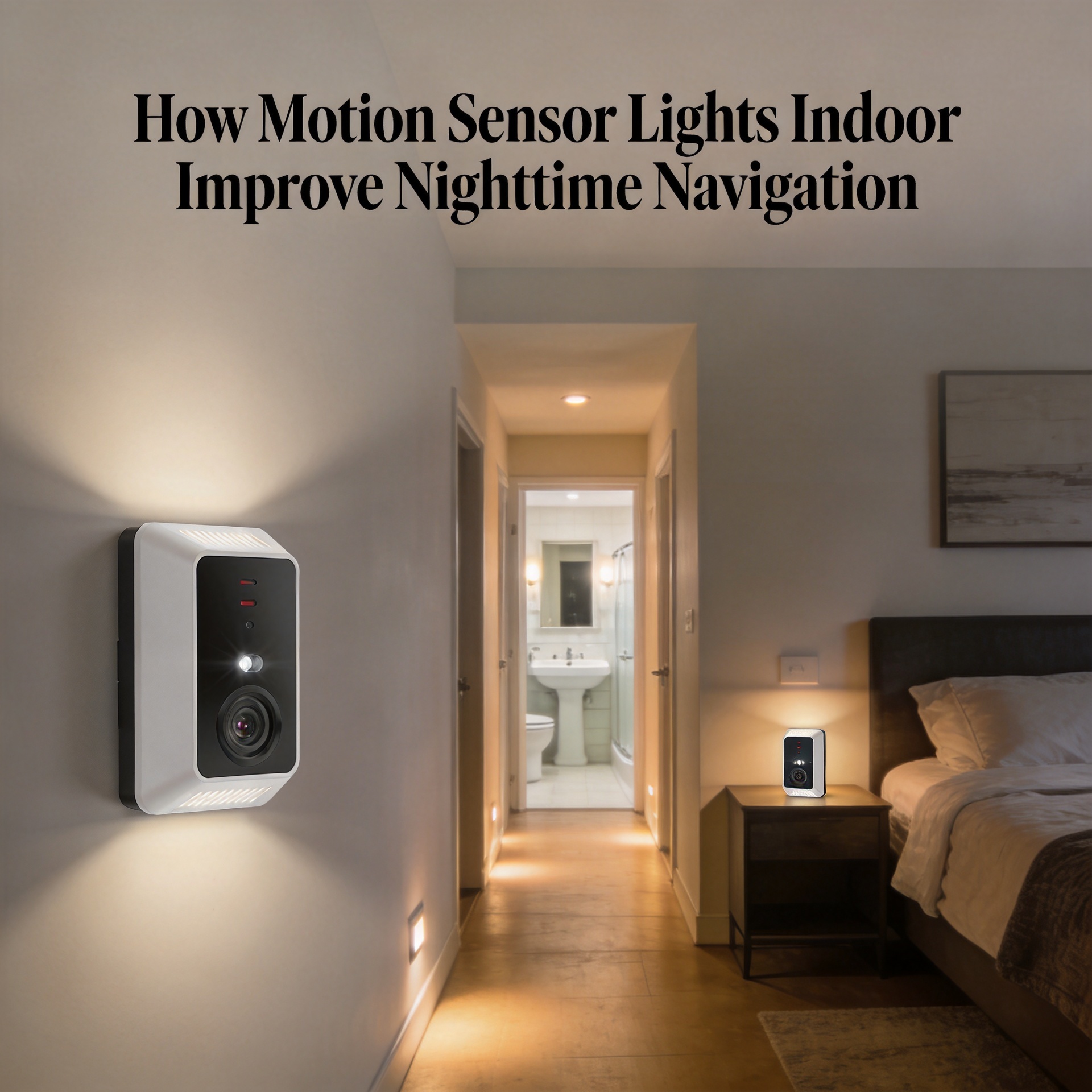
Learn how a motion sensor light indoor can support clearer nighttime routes in hallways, stairs, and bathrooms.
2026/10/13
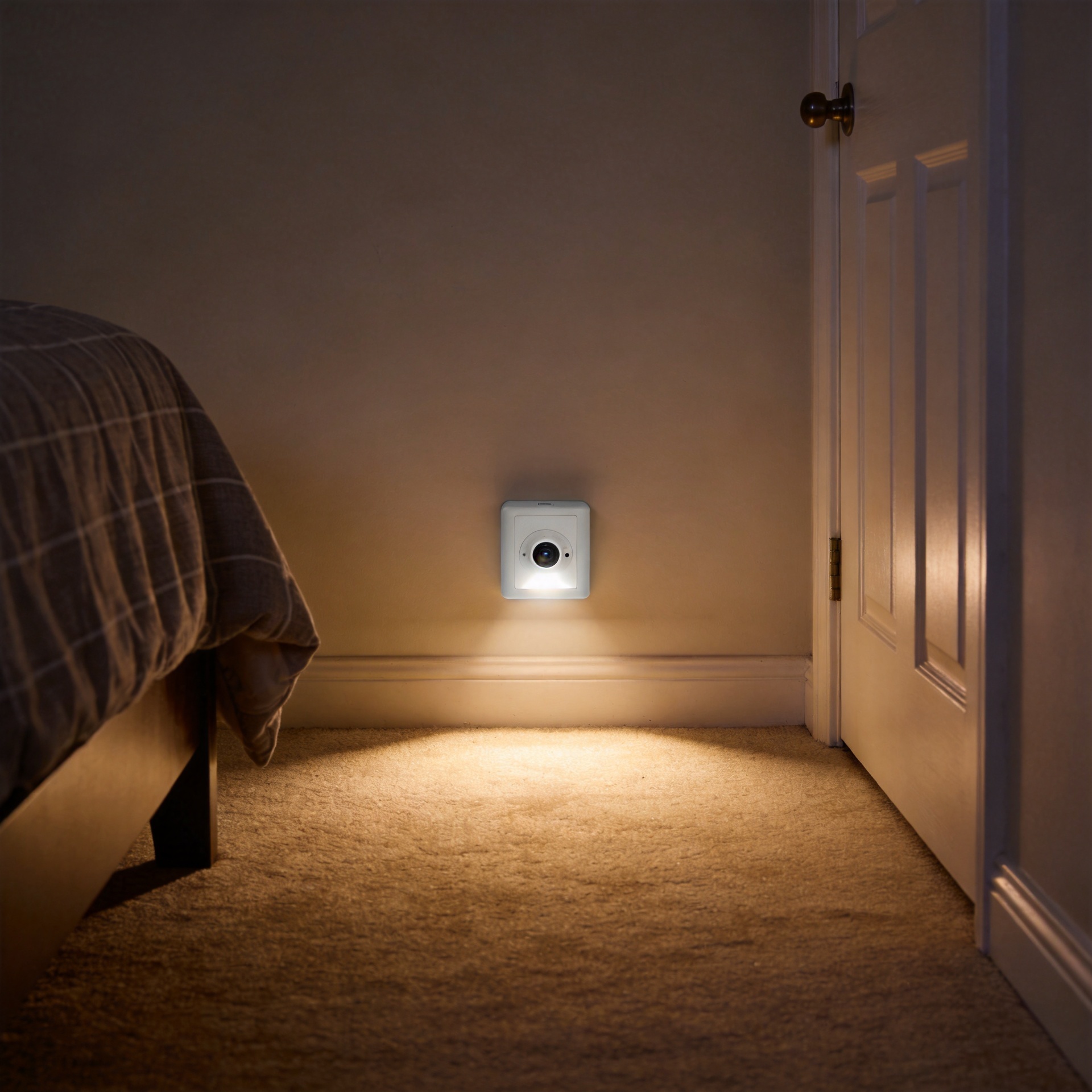
Find the best places for a motion sensor light indoor, from bedrooms and hallways to bathroom entrances, with glare and sensor tips.

2026/10/13
Discover how cloth storage bins simplify seasonal clothing organization, save space, and make wardrobe rotations easier.
2026/10/13
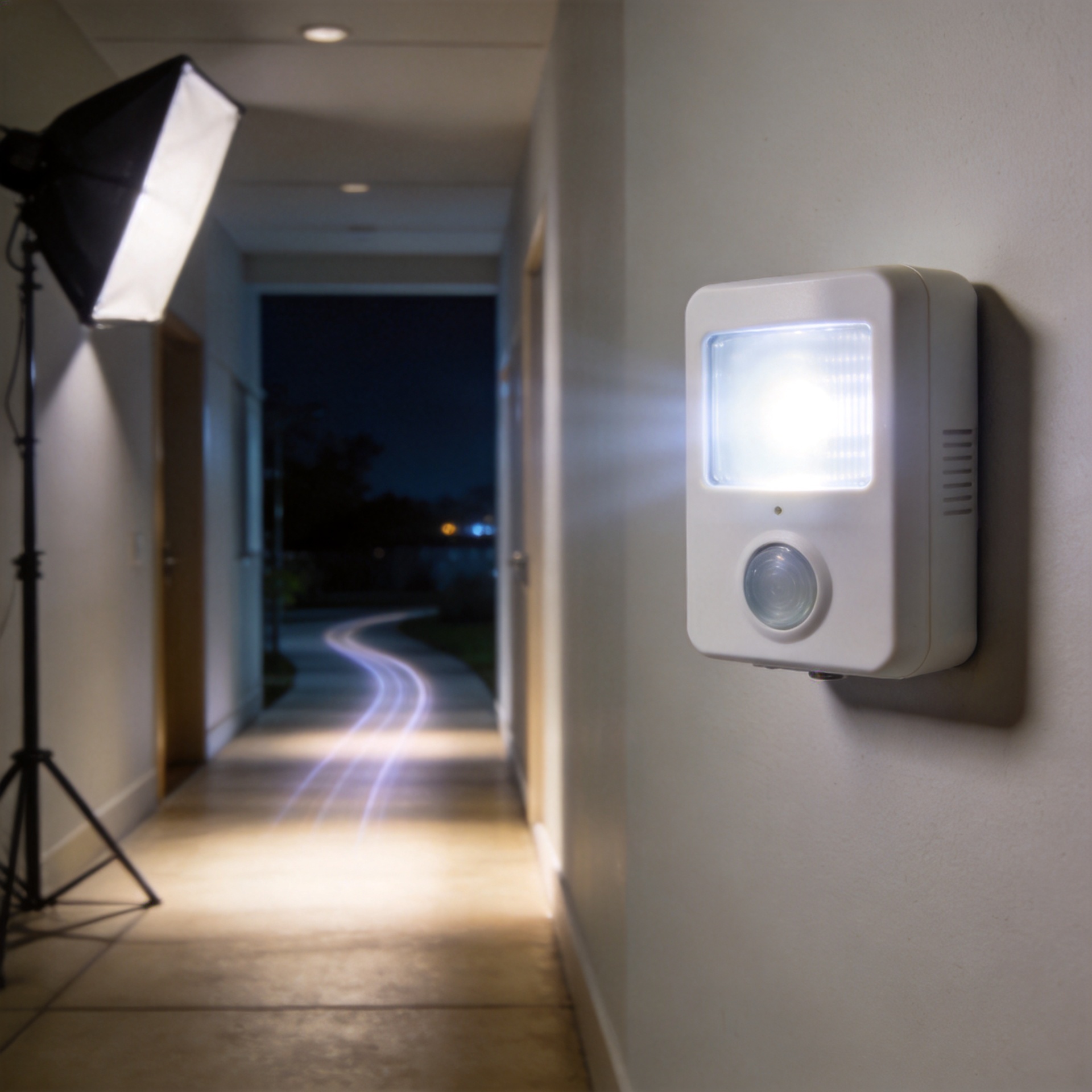
Learn how motion sensor nightlights use PIR detection, a night day sensor, and a timer for automatic nighttime guidance.

2026/10/12
Covers human-centric lighting, IoT integration, retrofit economics, and sustainability mandates driving adoption.

Ideal for comfortable reading, energy-efficient LED design suitable for offices and homes.

Smart adjustable lighting for study spaces, long-lasting LED with optimal brightness control.

Provides gentle illumination at night, portable LED design suitable for bedrooms and corridors.

High-performance LED bulbs for every application, reliable, efficient, and eco-friendly lighting.

Connect with our reseller network for bulk LED products and customized procurement solutions.

Expert advice, installation guidance, and after-sales service for all LED lighting projects.
